Local Property Taxes and the Pressure They Create
Parsippany's 2025 average tax bill landed at $11,638, up from $10,622 in 2024 — close to $970 a month before a single utility bill. The levy is dominated by schools: the Board of Education takes roughly 61.9%, the municipal budget 24.6%, Morris County and open space 9.35%, fire districts 2.22%, and the library 1.32%. Ownwell pegs the effective rate near 3.40% on assessed values that run roughly half of market after equalization, and New Jersey still carries the highest property taxes in the nation. For a relocating engineer or pharma manager who already closed on a place near the new office, carrying a $680,000 Parsippany house empty — taxes, insurance, and a township that doesn't pause billing for a vacancy — turns "we'll sell when it's convenient" into a monthly bleed.
How New Jersey Foreclosure Law Affects Your Options
New Jersey is a judicial-foreclosure state, and under the Fair Foreclosure Act every case runs through the Superior Court's Office of Foreclosure in Trenton. That makes it one of the slowest pipelines in the country — 18 to 24 months is common, and backlogged files stretch past three years before a sheriff's sale. A homeowner can force two statutory adjournments of that sale and still redeem the property up to 10 days afterward by paying the judgment. North Jersey closings are attorney-driven, so expect $1,500–$2,000 in legal fees on any conveyance. Here the trigger is rarely classic hardship: a corporate relocation, a Parsippany office-park layoff, or a transfer to another GAF or pharma site leaves people carrying a mortgage they no longer live near. The long timeline is leverage — but only if you act before judgment.
Parsippany's Housing Stock and the Inspection Problem
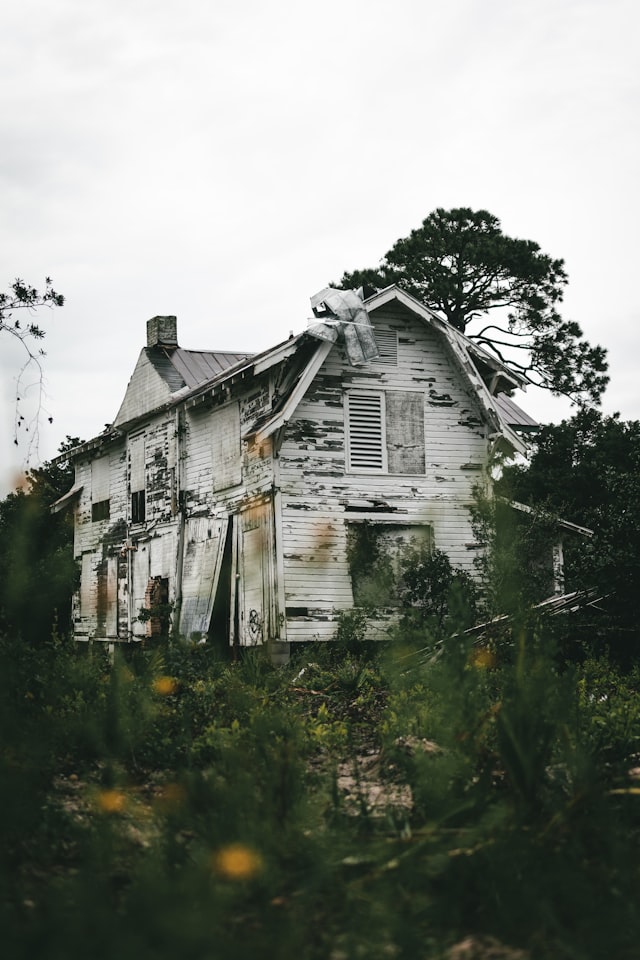
Parsippany grew out of summer-lake colonies and postwar farmland, and the inspection report reflects it. Lake Hiawatha, Lake Parsippany, and Rainbow Lakes started as 1920s–30s seasonal cottages later winterized and added onto — often with permit gaps, undersized electrical service, and knob-and-tube hiding behind newer drywall. The 1950s–70s build-out added Capes, ranches, and the split-levels that define streets near the office parks, many still sitting on buried oil tanks that scare buyers and lenders. The real Parsippany wildcard is water: homes near the Rockaway River and the Troy Meadows wetlands — especially low-lying Lake Hiawatha — flood, and wet basements, sump failures, and FEMA flood-zone designations routinely blow up a deal. Mount Tabor's 1869 gingerbread cottages bring their own century-old framing, wiring, and foundation quirks. A cash buyer takes these as-is.
Why Neighborhoods Matter More Than Citywide Averages
A $680,000 township median hides five very different markets. Mount Tabor (07878), a preserved village of Victorian cottages, trades on charm and historic-district scarcity, pulling premiums per square foot that a tract split-level never sees. Lake Hiawatha (07034) is denser, walkable, and cheaper, but its flood exposure caps values block by block. Lake Parsippany and Rainbow Lakes sell on lake-access and beach-badge lifestyle. Troy Hills, Powder Mill, and Intervale hold the larger colonials and splits that relocating corporate buyers actually want, sitting minutes from Routes 80, 287, and 46 and the Montclair-Boonton train. Greystone Park's edge and Rockaway Neck feel rural by comparison. Pricing off a citywide average overshoots a flood-zone Cape and undersells a Mount Tabor cottage — the section name moves the number more than the listing photos.
What You Actually Save by Skipping the Traditional Route
Run the math on Parsippany's $680,000 median. A 6% commission is $40,800. New Jersey's Realty Transfer Fee on that price runs roughly $6,400, attorney fees add $1,500–$2,000, and every month the house lingers costs about $970 in taxes alone plus insurance, lawn, and utilities — call it two to three months of carry while you stage, list, and wait out attorney review and an inspection contingency. That's easily $50,000 evaporating off the top, before any buyer asks for repair credits on that oil tank or wet basement. A direct cash sale keeps the $40,800 commission in your pocket, can close in weeks, and skips the showings entirely. For the seller who already bought near the new job and just wants to keep the equity — not bleed it to 6% and a flood-zone inspection — speed and certainty are the whole point.
