Local Property Taxes and the Pressure They Create
Baton Rouge is in East Baton Rouge Parish, and Louisiana's 0.55% effective property tax rate keeps annual bills modest — on the city's $215,000 average home, that's roughly $1,183 per year. That's among the lowest carrying costs for property taxes of any major city in the South. But Baton Rouge homeowners face their own cost pressure: flood insurance is a significant expense in a city that sits along the Mississippi River and experienced catastrophic flooding in 2016. FEMA flood zone designations in neighborhoods like Broadmoor and Old South Baton Rouge drive insurance costs that can exceed $3,000–$5,000 annually. For sellers dealing with financial stress, the combination of flood insurance, rising premiums, and deferred maintenance creates a real urgency to sell before the next policy renewal.
How Louisiana Foreclosure Law Affects Your Options
East Baton Rouge Parish foreclosures proceed through Louisiana's judicial process and run 6 to 9 months from default to auction. Louisiana has no post-sale redemption period, so a foreclosure auction in Baton Rouge is a hard, final deadline. The state's Napoleonic Code legal system means that title research in Baton Rouge requires a licensed Louisiana attorney — and the succession process for any property that passed through an estate without formal administration can be lengthy. Some properties carry succession issues going back multiple generations. A cash buyer experienced in Louisiana law can resolve these title questions and still close far faster than a traditional financed transaction.
Baton Rouge's Housing Stock and the Inspection Problem
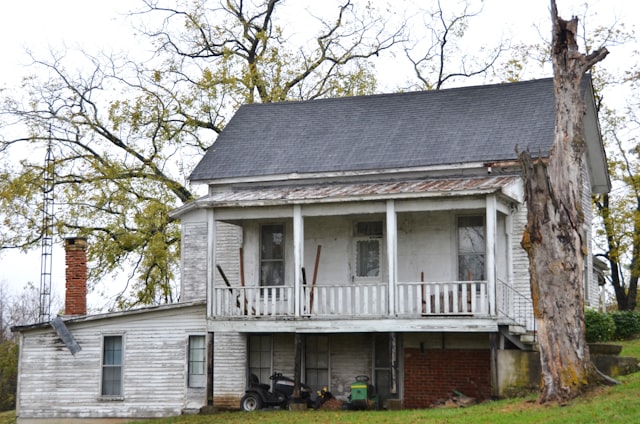
Baton Rouge has a bifurcated housing market: newer suburban developments in areas like Shenandoah and Broadmoor that appeal to conventional buyers, and older neighborhoods like Old South Baton Rouge, Scotlandville, and Zion City where the housing stock dates to the 1950s and 1960s. The older areas carry the classic deferred-maintenance profile — outdated HVAC systems, pier-and-beam foundations that shift in the parish's clay soils, and older plumbing. The 2016 flood also left residual moisture and mold issues in properties throughout Gardere and Eden Park that weren't properly remediated. FHA appraisers flag mold, open moisture damage, and structural issues as automatic repair requirements — conditions that disqualify homes from conventional financing until costly repairs are made.
Why Neighborhoods Matter More Than Citywide Averages
Baton Rouge's $215,000 average blends the newer Shenandoah subdivision prices with the significantly lower values in Scotlandville and Old South Baton Rouge. Scotlandville, on the north side of the city near Southern University, has median home prices well below the city average and a buyer pool that skews heavily toward investors and cash buyers. Zion City and Eden Park are similar — modest values, older stock, and limited conventional financing activity. In Mid City Baton Rouge, condition varies block by block, so appraisals can be inconsistent. Gardere, on the south side, had significant flood damage in 2016 and still carries insurance complications for affected properties.
What You Actually Save by Skipping the Traditional Route
On a $215,000 Baton Rouge home, 6% agent commission costs $12,900. Seller closing costs — including Louisiana notarial fees and recording charges — add $4,300–$6,450. Repairs on a 1960s home in Old South Baton Rouge or Eden Park with moisture and foundation issues can run $15,000–$30,000. Add three months of holding costs — mortgage, flood insurance at $300–$400/month, taxes, utilities — and you're looking at $6,000–$8,000 more. The total traditional sale cost on a $215,000 Baton Rouge home can easily exceed $38,000–$55,000. A cash buyer offering $180,000 and closing in 14 days may generate a better net for a seller who's honest about what that property actually needs to sell retail.
