



California's Real Estate Landscape for Distressed Sellers
California has some of the highest home values in the country, but high values don't protect homeowners from financial distress — they just mean the stakes are bigger. The state's effective property tax rate is 0.74%, ranking 34th nationally, which sounds low until you apply it to a $700,000 home and realize that's over $5,000 a year. Homeowners who fall behind quickly accumulate back taxes on top of missed mortgage payments. The California housing market is deep and active in major metros, but thin in rural areas and slower-moving in neighborhoods with deferred maintenance or title complications. Sellers under pressure here often face a gap between what their home could theoretically sell for and what a traditional buyer can actually close on.
How California Foreclosure Law Works
California is a non-judicial foreclosure state operating through deeds of trust. The process takes 4 to 5 months from the notice of default to the trustee's sale, with no redemption period once the sale is complete — there is no statutory right to reclaim the property afterward. California's anti-deficiency statutes are one of the most seller-protective in the country: after a non-judicial foreclosure on a purchase-money loan, lenders generally cannot sue the borrower for the remaining balance. That's significant protection, but it doesn't stop a foreclosure from proceeding or prevent the damage to your credit and equity. Understanding that the 4 to 5 month window is your only real runway matters.
Property Taxes and What Happens When You Fall Behind
California's 0.74% effective rate ranks 34th — below average nationally — and Proposition 13 limits how quickly assessed values rise for long-term owners. But for homeowners who bought in the last decade, assessed values often reflect purchase price, which in major metros means annual tax bills in the $5,000 to $12,000 range. Unpaid property taxes accrue a 10% penalty after delinquency, then a 1.5% monthly redemption fee after June 30 of the following year. If taxes remain unpaid for five years, the county can initiate tax-defaulted property sale proceedings. On top of a delinquent mortgage, back taxes can erode equity faster than most homeowners expect.
Why Cash Offers Work in California
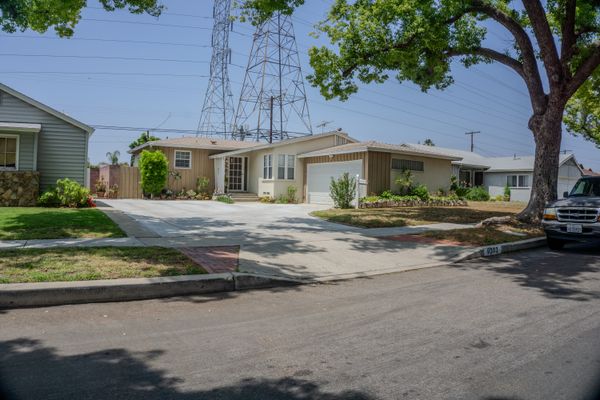
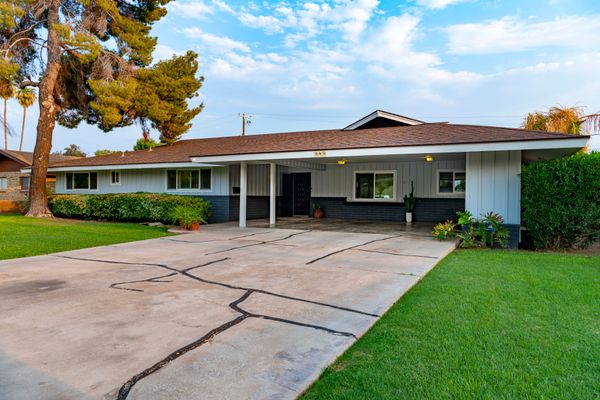
California is not an attorney-close state — title companies facilitate closings, and there's no legal requirement to involve an attorney. Transfer taxes run at the county level ($1.10 per $1,000 of value), with cities like Los Angeles and San Francisco adding their own surcharges on top. On a $700,000 sale in LA, combined transfer taxes can run $3,000 or more. Cash buyers absorb those costs in their offer structure and close without bank appraisals, financing contingencies, or lender-mandated repairs. That matters enormously in California's older housing stock, where 1950s and 1960s construction often has deferred maintenance, unpermitted additions, and condition issues that conventional lenders flag as dealbreakers.
