Local Property Taxes and the Pressure They Create
Concord is the state capital and sits in Merrimack County, where property tax rates have historically run around $25 to $27 per $1,000 of assessed value — making Concord one of the higher-rate cities in a state already ranked fourth nationally at 2.18% effective. On Concord's average home price of $360,000, that produces annual property taxes in the range of $9,000 to $9,700. New Hampshire's lack of income and sales taxes means municipal budgets depend heavily on property tax revenue, and Concord's mix of state government employment and modest private sector growth has kept tax demands high. Homeowners in Concord who've seen their assessed values jump 30% to 40% over the past five years now face bills that bear little resemblance to what they anticipated at purchase.
How New Hampshire Foreclosure Law Affects Your Options
Concord falls under New Hampshire's non-judicial foreclosure system, where lenders move through a statutory process rather than filing a lawsuit. The timeline from first default to auction is 2 to 4 months — fast by any standard. There is no redemption period, so once an auction closes, the prior owner has no legal avenue to reclaim the property. New Hampshire requires attorney involvement at closing, and Concord's legal community is relatively small, so scheduling can occasionally extend timelines. Still, a motivated attorney can close a cash transaction in under three weeks. For Concord homeowners in distress, the 2-to-4-month foreclosure window is the decision-making period — and ideally, a cash sale is under contract well before the auction notice is formally published.
Concord's Housing Stock and the Inspection Problem
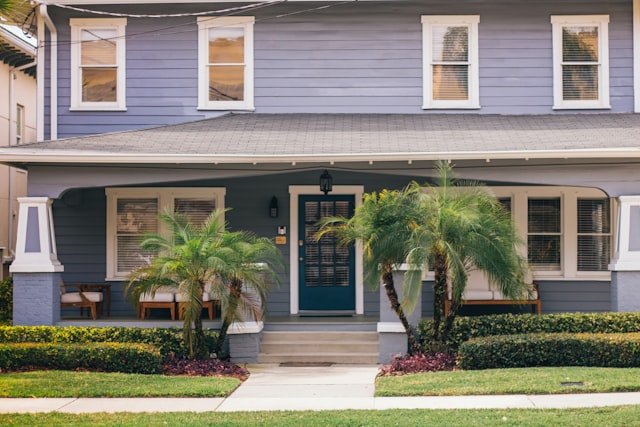
Concord's housing stock reflects its history as a 19th-century capital city surrounded by farmland. The city has a significant inventory of Victorian-era wood-frame homes in Downtown Concord and the South End, along with a mix of mid-century ranches and cape cods in East Concord and West Concord. Homes built before 1978 carry the federal lead paint disclosure requirement. Concord also has a notable number of homes with private wells and septic systems, particularly in the outer reaches of North Concord and Broken Ground. Well and septic inspections are additional due diligence requirements that can delay or complicate financed transactions, especially when septic systems are aging or located on smaller lots.
Why Neighborhoods Matter More Than Citywide Averages
Downtown Concord and the South End have benefited from the capital city's stable government employment base — homes there attract owner-occupant buyers and appreciate reliably. Penacook, a village neighborhood in the northern part of the city, has lower price points than central Concord, with a thinner pool of conventional buyers. East Concord and West Concord are the city's suburban-feel neighborhoods, with ranch and cape-style homes from the 1950s through 1980s and good access to commuter routes. North Concord and the Canterbury Road Corridor are more rural in character — larger lots, older farmhouses, and septic systems — where buyer demand is steadier but the inspection and appraisal process is more complex. Broken Ground is one of Concord's quieter, less-trafficked areas with modest but consistent demand.
What You Actually Save by Skipping the Traditional Route
On a $360,000 Concord home, a traditional sale carries costs that compound quickly. A 6% commission is $21,600. The seller's share of New Hampshire's transfer tax — 0.75% of the sale price on the seller's side — adds about $2,700. Attorney closing fees run $1,500 to $2,500. If the property has a well or septic system, the buyer's inspection requirements may force the seller to address issues that cost $5,000 to $15,000 before financing is approved. Add holding costs at roughly $750 per month in property taxes plus mortgage during a two-to-three-month listing, and total deductions reach $32,000 to $45,000. A cash buyer offering $320,000 to $330,000 with a fast close and no repair or inspection contingencies often leaves a Concord seller with more money in hand than the full-price conventional path.
