Local Property Taxes and the Pressure They Create
Great Falls is the seat of Cascade County in north-central Montana, and the county administers property taxes on one of the more affordable markets in the state. With an average home price of $245,000 and Montana's 0.84% effective rate, a median Great Falls homeowner pays approximately $2,058 per year in property taxes. Cascade County's housing market has been more stable than Missoula or Bozeman — the Great Falls economy is anchored by Malmstrom Air Force Base and a shrinking industrial base, which creates a market with more modest appreciation. When taxes go delinquent in Cascade County, the lien process is the same as statewide, but the lower home values mean penalties can represent a larger percentage of the property's worth.
How Montana Foreclosure Law Affects Your Options
Montana's non-judicial trustee sale process applies throughout Cascade County, including Great Falls. The 120-day notice before auction is required statewide, giving sellers a defined window before the sale. The total timeline runs 5 to 6 months from default, and there is no redemption period in Montana. Financed buyers' appraisals and inspections add time and create contingencies. A cash sale skips them.
Great Falls' Housing Stock and the Inspection Problem
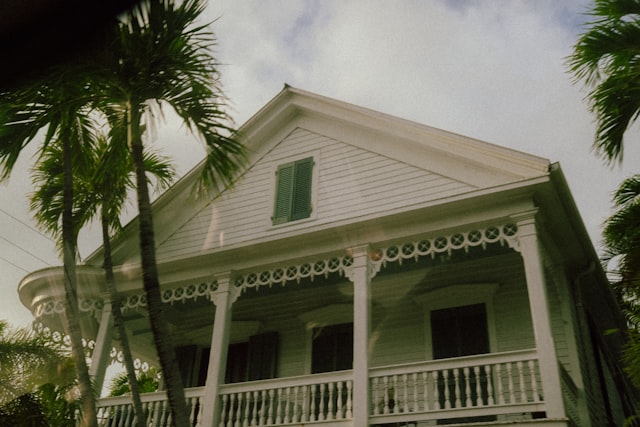
Great Falls has a large concentration of pre-1970 housing stock reflecting the city's industrial and military growth era. Downtown Great Falls and the North Side have older craftsman and bungalow homes from the 1920s through 1950s with the full range of age-related issues — knob-and-tube wiring that hasn't been updated, galvanized plumbing, aging boiler systems, and basement moisture. Riverview and the South Side have mid-century development that is generally in better shape but still requires attention to roof, HVAC, and foundation. Black Eagle, next to the former industrial waterfront, has some of the oldest stock in the market. Westgate and the Giant Springs area have more recent development. The Malmstrom Area, adjacent to the base, has military housing that follows its own rules separate from the civilian market.
Why Neighborhoods Matter More Than Citywide Averages
Great Falls' $245,000 average reflects a genuinely affordable market, but there is still meaningful variation by neighborhood. The North Side and Riverview neighborhoods, closer to downtown and the Missouri River, have character and historic stock that appeals to certain buyers but requires more condition-related discounting. Downtown Great Falls sees fewer residential buyers. The South Side has housing in the $220,000 to $270,000 range. Westgate is more suburban and slightly above the median. Black Eagle is affordable but has the oldest housing stock and the thinnest buyer pool. Giant Springs and the neighborhoods near Giant Springs State Park attract buyers who want proximity to the river and recreation. A cash buyer who knows Great Falls knows these distinctions and can make a realistic offer without requiring a full market listing.
What You Actually Save by Skipping the Traditional Route
On a $245,000 Great Falls home, the numbers are smaller but the percentages hurt just as much. A 6% commission is $14,700. Montana has no transfer tax, and closing costs — title, recording, prorations — add $2,000 to $3,500. Pre-listing repairs on an older Great Falls home in the North Side or Black Eagle neighborhoods are where the real exposure sits — foundation work, electrical updates, and plumbing replacement can run $8,000 to $18,000 on a home that sells for $245,000. Holding costs during a listing process add $1,400 to $1,800 per month. On a $245,000 home, spending $14,700 in commission plus $12,000 in repairs plus $4,500 in carrying costs means you've consumed $31,000 — more than 12% of the sale price — before you see a dime. A cash close changes that math entirely.
