Local Property Taxes and the Pressure They Create
Hilo sits in Hawaii County, which covers the entire Big Island and administers property taxes separately from the other island counties. With an average home price of $390,000 in Hilo, the state's 0.28% effective rate works out to roughly $1,092 per year — but Hawaii County uses a class-based system where non-owner-occupied and investment properties pay a higher rate. Inherited properties or rentals that fall into delinquency can quickly accrue penalties on top of a higher base rate. The Big Island's real estate market moves slower than Oahu's, and a property sitting delinquent on taxes while a seller figures out what to do can accumulate title problems faster than the local sales pace allows for easy correction.
How Hawaii Foreclosure Law Affects Your Options
Hawaii's dual foreclosure system — both judicial and non-judicial — applies on the Big Island just as it does statewide. The timeline of 6 to 12 months gives Hilo sellers more runway than most non-judicial states, but the absence of a redemption period means that once the sale happens, there is no coming back. The First Circuit Court handles judicial foreclosures statewide, including Big Island cases, which adds some travel and coordination complexity for borrowers trying to respond. Hilo's slower market means that if a lender pushes to a non-judicial sale, properties can sit longer post-auction without resolving, creating additional complications for sellers who waited too long. Acting inside the notice window preserves your ability to control the outcome.
Hilo's Housing Stock and the Inspection Problem
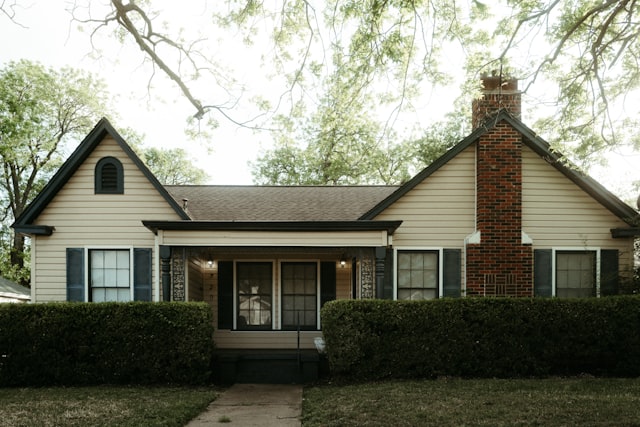
Hilo is one of the wettest cities in the United States, receiving over 130 inches of rain annually in some neighborhoods. That rainfall is brutal on homes — foundation issues, mold in crawlspaces and wall cavities, roof damage, and rotting fascia are all common in older Hilo housing stock. Keaukaha and Panaewa, lower-lying neighborhoods close to the coast, deal with flooding exposure on top of the moisture issues. Wainaku and Papaikou, older neighborhoods on the edge of town, have a lot of plantation-era housing that hasn't been updated in decades. Inspections in Hilo routinely surface $20,000 to $50,000 in issues that kill traditional deals. Cash buyers price the repairs in and close anyway.
Why Neighborhoods Matter More Than Citywide Averages
Hilo's $390,000 average spans a wide range of neighborhood conditions. Downtown Hilo and Waiakea near the bay are the most established areas, with a mix of historic commercial buildings and older residential properties. Kaumana, uphill and drier, draws buyers who want space and a slightly different climate. Puainako is a more suburban, commercial-adjacent corridor with newer construction. Keaukaha is one of the more affordable neighborhoods, and much of it is Hawaiian homestead land. Papaikou and Wainaku on the northern edge are more rural, with properties that appeal to buyers willing to take on older homes. A cash buyer needs to know these distinctions to make a realistic offer.
What You Actually Save by Skipping the Traditional Route
On a $390,000 Hilo home, a full 6% agent commission (Clever's Hawaii average is 5.5%) is $23,400. Seller closing costs including Hawaii's conveyance tax add another $2,500 to $5,000. Pre-listing repairs in Hilo — given the moisture and age of the housing stock — are often substantial, with mold remediation alone running $5,000 to $15,000 if discovered during inspection. Holding costs while waiting for a qualified buyer on Hilo's slower market add $2,000 to $3,000 per month in mortgage and carrying expenses. When you add it up, a traditional listing route can absorb $40,000 or more from a $390,000 sale. A cash offer that closes in three weeks eliminates the repair costs, avoids the commission, and stops the carrying cost bleed immediately.
