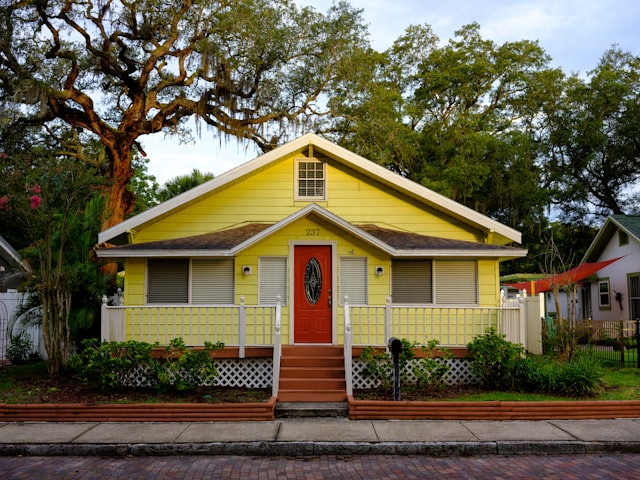
A cheaper market with the same Florida problems
Jacksonville runs cheaper than South Florida, and the tax bill on a typical Duval house, around $2,700 a year, won't sink anyone by itself. But cheap is relative. The northside has block after block of older houses where the taxes, the insurance, and the repair list all hit at the same time. If your carrier just non-renewed you, or the renewal came back doubled on a house that already needs work, you know exactly what I'm talking about.
Duval's foreclosure docket
Foreclosures here go through the Fourth Judicial Circuit, and Duval has historically been one of the busiest foreclosure counties in Florida. The lender has to sue, serve you, and win in front of a judge before there's an auction. Usually that's six months to over a year, and a backed-up docket can stretch it further. People hear that and relax, which is a mistake. The fees and interest build the whole time, and after the auction there's no buying it back in Florida. Slow is not the same as safe.
Old wiring and the flood zone problem
A lot of the pre-1980 houses in Brentwood, Moncrief, Ribault, and Irvington still have the original electrical (knob-and-tube in some of them), plus galvanized plumbing and single-pane windows. That's strike one with an inspector. Strike two is the river. Parts of North Shore and Irvington sit in flood zones along the St. Johns, which means a separate flood policy that can add a couple thousand a year on top of regular insurance. Plenty of retail buyers won't even tour a flood zone house. The ones who do tend to disappear after the inspection report comes back.
The northside and the Beaches are not the same market
Jacksonville's average price gets carried by Southside, Mandarin, and the Beaches, which is $400,000-and-up territory. Brentwood and Moncrief can trade as low as $80,000 to $150,000 when a house needs real work, and condition is basically the entire price. In Ribault, prices vary from street to street. Arlington and Regency on the eastside are mid-market, with older houses and more owner-occupants. Where your house actually sits changes every option you have, so start there.
Adding up the normal sale
On a northside house, the regular route eats money from every direction. Commission and closing costs first. Then repairs: electrical, plumbing, roof, maybe flood remediation, easily $12,000 to $28,000 to get a Brentwood house past an inspection. Then carrying costs for the months it sits, with insurance that's already climbing. On a distressed property, the total damage between list price and what you net commonly runs $45,000 to $64,000. A cash sale closes in two or three weeks with none of that, and cash buyers take the houses with the old wiring and the flood history. The earlier you move, the more equity comes home with you.
