Local Property Taxes and the Pressure They Create
Kansas City, Kansas sits in Wyandotte County — a very different financial picture from neighboring Johnson County directly to the south. With an effective property tax rate of 1.41% applied to an average home value around $175,000, the annual tax bill runs roughly $2,468. That might sound manageable, but property tax delinquency rates here run higher than statewide averages. The county's tax lien process moves at a predictable pace, and properties that fall three years behind on taxes become candidates for tax deed sale — a process that wipes out the homeowner's equity if it reaches completion.
How Kansas Foreclosure Law Affects Your Options
Wyandotte County District Court handles judicial foreclosures for Kansas City, KS properties, and the timeline is 4 to 8 months through the full court process to sheriff's sale. Once that sale occurs, Kansas's 12-month redemption period begins — but most sellers don't have the cash to redeem a foreclosed property, making the redemption period more of a holding pattern than a genuine option. It is 3 months if less than a third of the loan was paid, and if a property sits abandoned the court can shorten or end the window. For KCK sellers, the practical advice is straightforward: a cash sale that closes before the sheriff's sale pays off the loan and keeps any remaining equity with you.
Kansas City, KS Housing Stock and the Inspection Problem
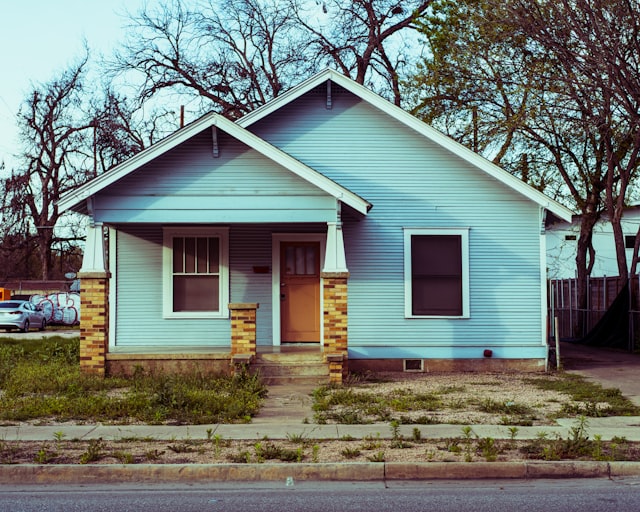
Kansas City, KS has some of the oldest housing stock in the entire metro. Neighborhoods like Armourdale and Argentine were developed in the late 1800s and early 1900s as industrial worker housing, and many of those original structures — or their post-war replacements — are still in service. That means buyers face genuine structural questions: foundation issues from river-bottom soils in Armourdale, original cast iron sewer laterals that collapse without warning, lead paint in homes built before 1978 (the vast majority of the housing stock here), and outdated service panels that insurance companies flag. Strawberry Hill's historic homes are charming and increasingly sought after, but they require serious investment to pass an FHA or VA loan inspection.
Why Neighborhoods Matter More Than Citywide Averages
KCK's $175,000 average masks real neighborhood-level variation. Strawberry Hill has been drawing buyers from across the metro who want historic character and proximity to downtown Kansas City, MO — demand there has pushed prices noticeably higher than the city average. Rosedale, adjacent to the University of Kansas Medical Center, benefits from institutional proximity. But Armourdale and parts of Bethel remain deeply affordable with thin buyer pools — homes there often need cash buyers because the financing hurdles are simply too high given the condition of the housing stock. Turner and Piper at the western and northern edges have more suburban character but still face the general Wyandotte County pricing ceiling.
What You Actually Save by Skipping the Traditional Route
On a $175,000 Kansas City, KS home, the traditional sale math is unforgiving. Agent commissions at 6% take $10,500 off the top. Seller closing costs add another $3,500 to $5,250. Repairs needed to pass a conventional loan inspection — and most KCK homes have something — can easily run $5,000 to $15,000 for older properties with plumbing or electrical issues. Add 60 to 90 days of holding costs at maybe $1,200 per month for taxes, insurance, and utilities on a paid-off or low-balance home, and you're at $22,000 to $32,000 in total costs before you net anything. A cash buyer who purchases as-is, closes in two weeks, and covers standard closing costs often produces a better net than a financed offer with full commissions and a repair negotiation.
