Local Property Taxes and the Pressure They Create
Laramie is in Albany County, where Wyoming's 0.61% effective property tax rate applies to homes averaging $290,000. Annual property taxes on that average run roughly $1,769 per year — about $147 per month. Albany County's levy includes county, school district, community college, and special district assessments; the University of Wyoming's presence in Laramie anchors the local economy but also creates unusual housing market dynamics where demand cycles with the university's enrollment and employment patterns. Laramie sits at 7,165 feet elevation — one of the highest cities of its size in the country — and that altitude and climate create ongoing maintenance demands on homes that affect their condition over time. Property tax delinquency in Albany County is handled with the same enforcement mechanisms as elsewhere in Wyoming: interest, penalties, and eventual lien foreclosure.
How Wyoming Foreclosure Law Affects Your Options
Wyoming permits both judicial and non-judicial foreclosure in Albany County, and the compressed 2 to 4 month timeline applies here the same as statewide. Wyoming gives a 3-month redemption period after any foreclosure sale, court or non-court, but only for an owner who can pay the full amount. Laramie's university-driven economy means income disruptions often follow academic calendar patterns: faculty and staff positions that end in May or August can create sudden mortgage defaults for homeowners who assumed stable employment. Wyoming's minimal transfer tax ($11.60 on a $290,000 sale) creates almost no friction to a fast sale, and Albany County's title companies can close quickly once both parties agree on terms.
Laramie's Housing Stock and the Inspection Problem
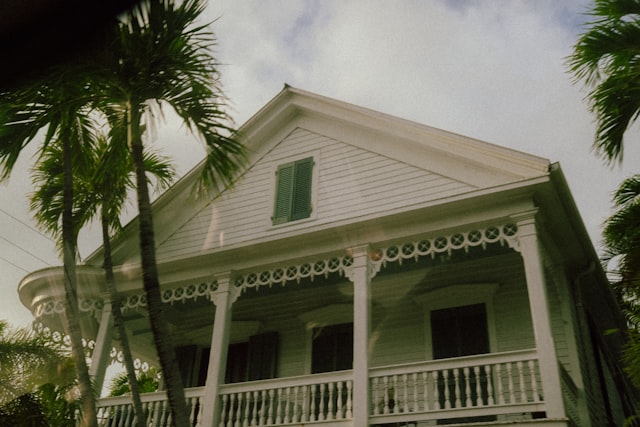
Laramie's housing stock is strongly influenced by its university heritage and its frontier-era origins. The University District and Downtown Laramie have homes dating to the late 1800s and early 1900s — Wyoming territorial and early statehood construction that, despite its character, comes with serious inspection challenges: original knob-and-tube wiring, failing cast-iron plumbing, unreinforced masonry chimneys, and foundations that have shifted over more than a century. Laramie's altitude and harsh winters — temperatures regularly drop to -20°F — accelerate mechanical wear dramatically; boilers, heat pumps, and water heaters work twice as hard here as in milder climates and fail more frequently. North Laramie and East Laramie have more modest mid-century homes with more predictable condition but accumulated deferred maintenance from years of rental use.
Why Neighborhoods Matter More Than Citywide Averages
The University District has many rentals, and homes there have often been used hard, so many buyers are investors and other landlords. Downtown Laramie has the most historic and the most expensive-to-maintain housing stock, and that buyer pool is small. In Sunset Heights and the Whiting Drive Area, more buyers plan to live in the home, though Laramie's overall market is thin and days on market run long. Happy Jack Road Corridor properties are semi-rural with acreage; well and septic infrastructure there requires specialized inspection and eliminates many financing options. The Harney Street Area has older rental stock that is sensitive to enrollment changes at the university.
What You Actually Save by Skipping the Traditional Route
On Laramie's $290,000 average home, traditional sale overhead is meaningful relative to a modest equity position. Agent commissions at 6% are $17,400. Wyoming's transfer tax is just $11.60 — negligible. Seller closing costs add $2,900 to $5,800. Pre-listing repairs on Albany County's older housing stock — particularly in the University District or Downtown — commonly run $8,000 to $20,000 for items inspectors flag at these price points. Two to three months of carrying costs at $1,900 to $2,400 per month — mortgage, Albany County taxes, and heating costs that run high at 7,165 feet — add $3,800 to $7,200. Total overhead on a traditional Laramie sale: $32,000 to $51,000 on a $290,000 home. Wyoming's 2 to 4 month foreclosure clock makes every week spent preparing for a traditional listing a week you may not have.
