Local Property Taxes and the Pressure They Create
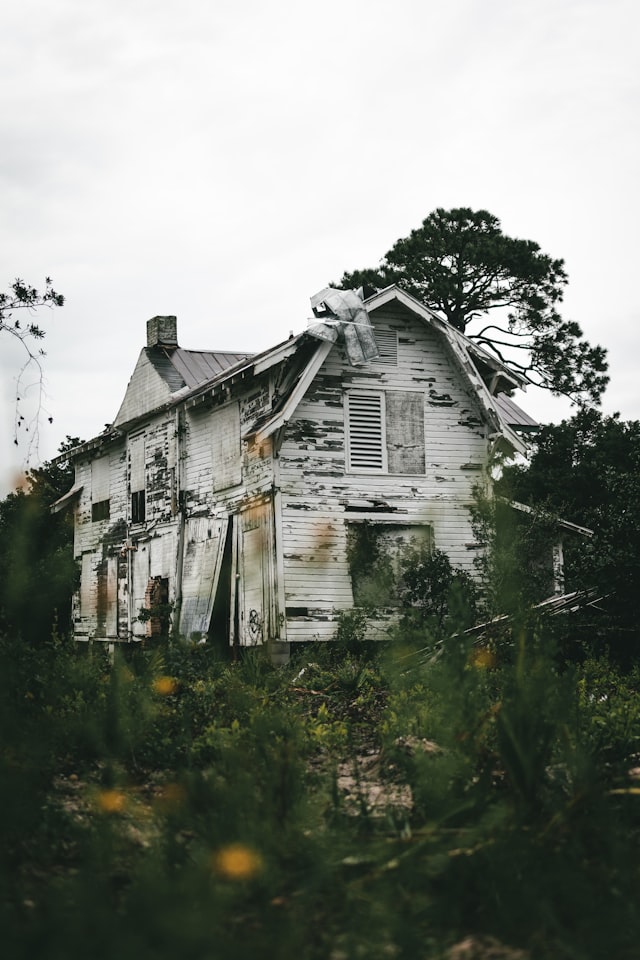
Pulaski County sits within Arkansas's statewide effective rate of 0.62%, ranking 44th lowest in the country. On a $195,000 home in Little Rock, annual property taxes run approximately $1,209. That number is manageable in good times, but Pulaski County has historically carried higher-than-average delinquency rates for its size. Little Rock is the state capital, but state government employment hasn't shielded every homeowner from economic pressure. The combination of flat home values in older parts of the city and deferred maintenance costs on aging housing stock puts many homeowners in a position where selling is financially urgent but the home won't pass a standard inspection.
How Arkansas Foreclosure Law Affects Your Options
Arkansas allows both judicial and non-judicial foreclosure, but most lenders with standard power-of-sale language go non-judicial. That process runs 4 to 5 months from the first notice to the auction date. The lender files a notice of default with the Pulaski County circuit clerk and publishes the sale notice weekly for four consecutive weeks. There is no statutory redemption period in Arkansas after a non-judicial sale — when the gavel falls, your rights to the property end immediately. That hard cutoff means Little Rock homeowners have a finite window to act, and there is no legal mechanism to reclaim the property once it's gone.
Little Rock's Housing Stock and the Inspection Problem
Little Rock's residential core is dominated by mid-century housing, particularly in South End, Granite Mountain, Geyer Springs, and Oak Forest. These neighborhoods were built out in the 1940s through 1970s with wood frame construction, and common inspection findings include aging electrical panels that haven't been updated since original installation, galvanized plumbing reaching end of life, and crawl space moisture from Arkansas's humid, wet climate. Homes in the Baseline corridor frequently have deferred roof work from ice storm damage — Arkansas sees heavy ice events that degrade shingles faster than most homeowners account for.
Why Neighborhoods Matter More Than Citywide Averages
Little Rock's $195,000 average reflects a split market. In West Little Rock and the Heights, homes are priced well above average and demand is active. Geyer Springs and Otter Creek see steady but modest demand. South End and Granite Mountain carry higher concentrations of distressed inventory, where homes can sit at $75,000 to $110,000 with deferred maintenance that makes conventional financing difficult. Along the Baseline corridor, values vary block by block. Oak Forest offers relative affordability and proximity to Baptist Health, which sustains demand.
What You Actually Save by Skipping the Traditional Route
On a $195,000 Little Rock home, the traditional route has real costs. Agent commissions at 6% total $11,700. Closing costs run 2% to 3%, adding $3,900 to $5,850. Arkansas transfer tax adds another $643 at $3.30 per $1,000. Pre-sale repairs on a South End or Geyer Springs home with deferred maintenance — roof, electrical, plumbing — can run $8,000 to $18,000. Two to three months of holding at roughly $1,200 per month adds $2,400 to $3,600. The realistic net after a traditional sale on a home with issues sits $26,000 to $40,000 below list. A cash close in two to three weeks skips every one of those costs.
