Local Property Taxes and the Pressure They Create
Montgomery County applies Alabama's statewide effective rate of 0.41%, putting it at the bottom of national property tax rankings. On a $175,000 home, annual taxes run approximately $718. The low tax rate means delinquency builds slowly, but Montgomery's economy has long been driven by state government employment and military spending at Maxwell and Gunter Air Force Bases, and those sectors don't always absorb economic shocks the way private-sector cities do. Homeowners in the city's older western and central neighborhoods often face a painful math: property values haven't appreciated enough to justify major repairs, but the homes need work to sell through traditional channels.
How Alabama Foreclosure Law Affects Your Options
Montgomery homeowners in default are subject to Alabama's non-judicial foreclosure process, which can move from the first published notice to auction in as little as 2 months. The lender advertises for three consecutive weeks in a local newspaper and schedules the sale — no court, no hearing, no mandatory waiting period beyond publication. Alabama's statutory redemption period (180 days for a homestead home, 1 year otherwise) requires the former owner to pay the full auction price plus all costs to reclaim the home. For Montgomery sellers whose homes sold at auction for less than they owed, the redemption math rarely works out.
Montgomery's Housing Stock and the Inspection Problem
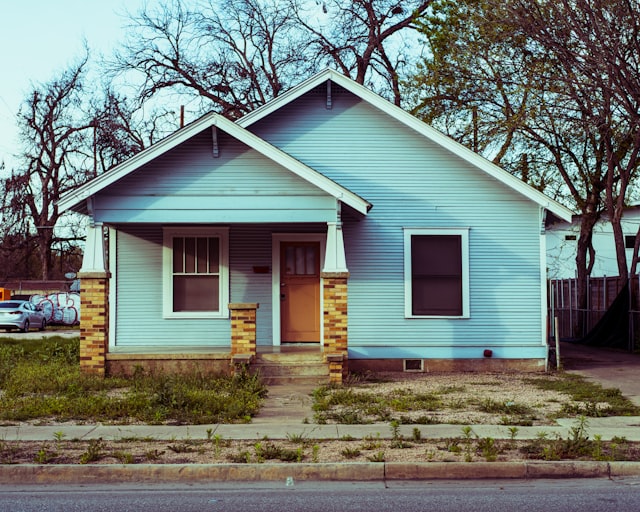
Montgomery's residential neighborhoods carry a heavy concentration of mid-century brick construction, particularly in West End, Capitol Heights, and Chisholm — areas built out primarily in the 1940s through 1960s. These homes have the bones of durable construction but the liabilities of their era: aging electrical panels, galvanized plumbing that has reached end of life, and HVAC systems that were added as retrofits rather than original installations. In Montgomery's humid subtropical climate, moisture intrusion and wood rot in soffit and fascia areas are routine findings on inspections. Lenders won't finance a home with live electrical hazards or active plumbing leaks.
Why Neighborhoods Matter More Than Citywide Averages
Montgomery's market breaks cleanly along geographic lines. Dalraida and Cloverdale retain appeal as established mid-city neighborhoods with mature trees and proximity to commercial corridors. Pike Road, technically its own municipality, has seen consistent new construction and strong demand from buyers wanting suburb-adjacent living. In West End, Chisholm, and Capitol Heights, some values dip below $50,000, so repair and carrying costs can eat most of a distressed home's value. Prattville, adjacent to the city, functions as its own independent market with newer stock and stronger demand.
What You Actually Save by Skipping the Traditional Route
On a $175,000 Montgomery home, traditional sale costs add up quickly. Agent commissions at 6% come to $10,500. Closing costs run 2% to 3%, adding $3,500 to $5,250. Pre-sale repairs on a mid-century brick home — roof, electrical update, plumbing — realistically run $8,000 to $18,000 in Montgomery's market. Two to three months of carrying costs at roughly $1,100 per month adds $2,200 to $3,300. The real net on a $175,000 sale after all of it can land below $140,000. A cash buyer who closes in two weeks without an inspection contingency often delivers more to the seller's pocket than the traditional process does.
