Local Property Taxes and the Pressure They Create
Allegheny County's property tax system draws from three sources — county, municipality, and school district — and for Pittsburgh city residents, the combined effective rate runs approximately 2.7–3.1% on assessed value. On a $210,000 Pittsburgh home, annual taxes total roughly $5,700–$6,500 depending on the specific neighborhood and school district. Allegheny County completed a countywide reassessment in 2012 that dramatically shifted assessed values, and appeals have been ongoing ever since — in some neighborhoods, assessments increased despite flat market values, creating tax bills that exceeded what the market supported. Property owners who haven't challenged their assessments may be paying more than they should, and those who have fallen behind face the county's tax claim bureau process.
How Pennsylvania Foreclosure Law Affects Your Options
Pennsylvania's judicial foreclosure routes through Allegheny County's Common Pleas Court, with the county sheriff conducting the eventual sale. The process runs 9 to 15 months, and Allegheny County's sheriff sale calendar is published publicly — which means a homeowner's foreclosure status becomes searchable before the sale ever happens. There is no redemption period after the sale is confirmed. One Pittsburgh-specific dynamic: many homes in the city are in multi-deed ownership situations where estate titles, heir property, or decades-old chain-of-title issues create complications that slow both foreclosure and conventional sales. Older inherited properties in particular often have title issues that require resolution before any clean transfer can happen.
Pittsburgh's Housing Stock and the Inspection Problem
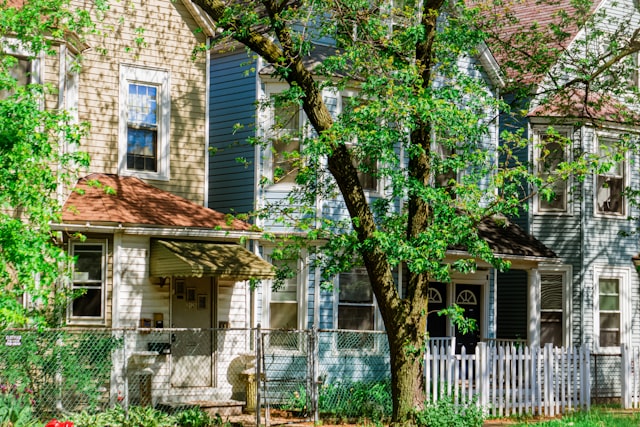
Pittsburgh's hillside geography shapes its housing stock in ways that create unique inspection concerns. The city's neighborhoods are built on steep slopes with homes that have unusual structural conditions — retaining walls, non-standard foundation types, basement levels that open to grade on the downslope side and are fully below grade on the upslope side. Hazelwood, Beechview, and Carrick have concentrations of older frame homes where landslide risk and foundation movement are documented concerns. Homewood and East Hills have housing stock from the 1940s–1960s with varied maintenance histories. Manchester and Hill District properties include some of the city's oldest structures, with masonry issues and interior layouts that reflect original Victorian-era construction.
Why Neighborhoods Matter More Than Citywide Averages
Pittsburgh's neighborhood price dispersion is extreme. Bloomfield and Lawrenceville are commanding prices above $400,000 for renovated homes, while properties in Larimer, Homewood, and East Hills sell for $40,000–$90,000 and have thin buyer pools. Carrick and Beechview see steady but not dramatic activity. Hazelwood and Manchester on the North Side can be slow markets for individual sellers. In the Hill District, some blocks have been renovated and others have not, and a property's specific address within the neighborhood matters enormously.
What You Actually Save by Skipping the Traditional Route
On a $210,000 Pittsburgh home, a full 6% commission (Clever's Pennsylvania average is 5.8%) is $12,600. Pennsylvania's combined 2% state and local transfer tax adds $4,200 (split buyer/seller). Closing costs of 2–3% add $4,200–$6,300. Inspection repair credits on an older Pittsburgh hillside home — particularly one with foundation or structural concerns — routinely run $8,000–$20,000. A seller who lists at $210,000 can net $160,000–$175,000 after all costs in a best-case scenario. A cash buyer at $185,000–$190,000 as-is, closing in two weeks, can be the better outcome: fewer moving parts, no repair negotiation, and no lender appraisal. For Pittsburgh homeowners dealing with financial pressure, speed and certainty matter more than squeezing the last dollar from a listed sale.
