Local Property Taxes and the Pressure They Create
Sioux Falls sits in Minnehaha County, which sets the mill rates that translate South Dakota's 1.31% statewide average into real dollar figures on your tax bill. On the city's average home price of $285,000, that's approximately $3,735 per year — or just over $311 per month in tax liability alone. Minnehaha County ranks as one of the state's higher-tax counties because of the urban service demands that come with being South Dakota's largest city. When taxes go delinquent here, the county attaches a senior lien that sits above your mortgage. Three consecutive years of nonpayment triggers a tax deed action — and once that process starts, it moves faster than most homeowners expect.
How South Dakota Foreclosure Law Affects Your Options
South Dakota allows both judicial and non-judicial foreclosure, which means your lender decides the track. In Minnehaha County, lenders holding mortgages with a power-of-sale clause frequently choose the non-judicial route because it's faster — cutting the process down to the shorter end of South Dakota's 3 to 10 month window. Either way, South Dakota generally gives you 1 year after the foreclosure sale to redeem, or 180 days if your mortgage is a 180-day redemption mortgage. By the time most Sioux Falls homeowners realize they need out, the non-judicial process may already be underway. A sale that closes before the foreclosure sale can pay off the loan and let you keep any equity left after the payoff.
Sioux Falls's Housing Stock and the Inspection Problem
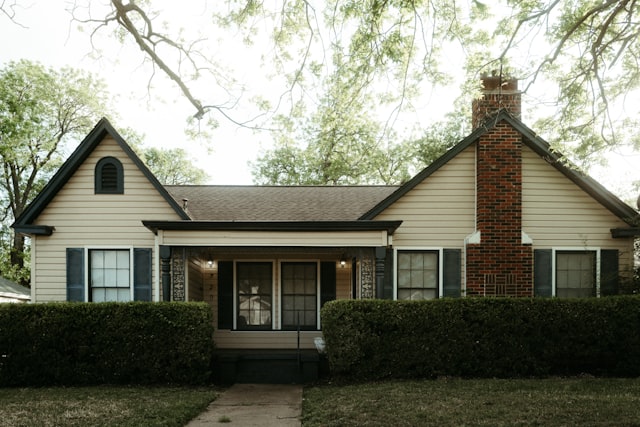
Sioux Falls grew fast — especially in the 1970s through 1990s — and the housing stock from that era reflects it. Ranch-style homes and split-levels dominate the older East Side and Morningside corridors, and many carry issues that kill traditional financing: aging electrical panels, original single-pane windows, and crawl space moisture problems from South Dakota's freeze-thaw cycles. Homes in the $200,000–$250,000 range especially struggle with FHA and VA appraisals, which flag deferred maintenance that sellers in financial distress can't afford to fix. A cash buyer doesn't require an appraisal or inspection contingency, which means condition issues that would derail a conventional sale simply don't apply.
Why Neighborhoods Matter More Than Citywide Averages
The $285,000 city average masks a wide spread across Sioux Falls neighborhoods. Homes near McKennan Park and Augustana trade well above that average. Whittier and parts of the East Side sit well below it, with many homes that have been rentals or sat vacant. Morningside and Downtown Sioux Falls mix renovated and neglected properties side by side. The West Side has newer construction that holds value better, while Brandon on the eastern edge works almost as a separate suburban market. If your home is in an older neighborhood, the citywide average isn't your number. Your neighborhood comps are, and they may be 15 to 20% lower.
What You Actually Save by Skipping the Traditional Route
On a $285,000 Sioux Falls home, the traditional sale route carries predictable costs that most sellers underestimate. A 6% agent commission takes $17,100 off the top. Closing costs run another 2–3%, or $5,700–$8,550. Even a modest repair request after inspection — say, a furnace tune-up, updated electrical, and fresh paint — easily adds another $8,000–$15,000 on an older home. Holding costs during the typical 45–90 day listing period add roughly $2,400–$3,500 in mortgage payments, taxes, and utilities. Add it up and you're looking at $33,000–$44,000 in total costs on a $285,000 home. A cash offer below list price can still leave you with a similar net to the traditional path, with less uncertainty.
