Local Property Taxes and the Pressure They Create
Stamford is in Fairfield County — one of the wealthiest counties in the country — but that doesn't protect homeowners from Connecticut's punishing 2.15% effective property tax rate, which ranks 3rd worst in the nation. On a Stamford home at the city's average price of $585,000, annual property taxes run roughly $12,600 or more. For a homeowner who has lost a finance job, gone through a divorce, or is carrying a variable-rate mortgage, that annual bill becomes a serious threat fast. Fall two years behind and you're staring at $25,000 or more in tax debt before penalties and interest — a lien that can derail any traditional sale.
How Connecticut Foreclosure Law Affects Your Options
Connecticut's judicial foreclosure runs 8 to 12 months from filing to judgment, and Stamford's Fairfield County courts move at their own pace. Connecticut uses strict foreclosure — meaning the court can transfer title directly to the lender without ever holding an auction. If the law day passes and you haven't acted, the property transfers and there's no redemption period to fall back on. At Stamford's price point, lenders move aggressively once a property enters default because the numbers justify their legal costs. The 8-to-12-month window sounds long, but between attorney schedules and court calendars, it compresses quickly.
Stamford's Housing Stock and the Inspection Problem
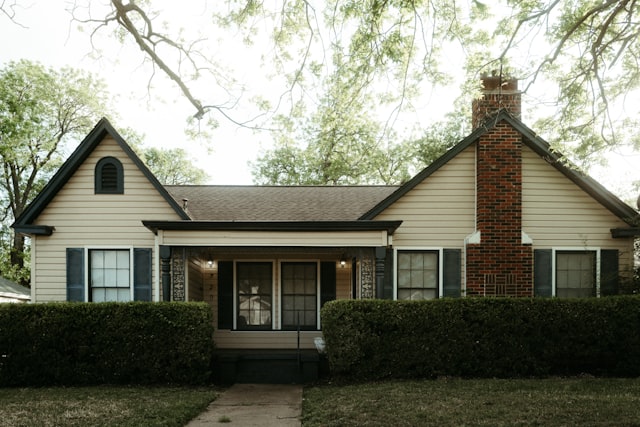
Stamford's housing stock is more varied than most Connecticut cities. The South End and West Side have older colonial and cape-style homes from the 1940s through 1960s, often with knob-and-tube wiring, older plumbing, and deferred maintenance. Glenbrook and Springdale carry a mix of mid-century ranches and colonials. Cove and Turn of River have newer construction with fewer structural concerns. Older homes in the West Side and South End frequently fail FHA inspections on lead and wiring issues. At Stamford's price point, buyers expecting a move-in-ready home will walk away from anything that needs significant work — and financed buyers often can't buy as-is.
Why Neighborhoods Matter More Than Citywide Averages
Stamford's neighborhoods differ in ways that dramatically affect sale timelines. North Stamford and Turn of River command premium prices and attract buyers from New York City priced out of Westchester. Downtown and Cove see steady demand. The West Side and South End attract more budget-conscious buyers and see slower absorption. Springdale and Glenbrook fall in the middle. A distressed home in the West Side isn't competing with the same buyer pool as a turnkey place in North Stamford — and pricing as if it is will keep that home sitting for months.
What You Actually Save by Skipping the Traditional Route
At Stamford's average of $585,000, the cost of a traditional sale is substantial. A 6% agent commission is $35,100. Closing costs at 2% to 3% add $11,700 to $17,550. Connecticut's conveyance tax hits 0.75% on the first $800,000 — that's another $4,388. Repairs and staging on an older Stamford home can easily run $15,000 to $30,000 to compete with nearby listings. Carrying costs at $585,000 — mortgage, taxes, utilities, insurance — run $4,000 to $5,500 per month. A 90-day sale costs $12,000 to $16,500 in holding alone. Total transaction costs can exceed $80,000. A cash close eliminates almost all of it.
