Local Property Taxes and the Pressure They Create
Rockland County carries one of the heaviest property-tax burdens in the country — ranked roughly 5th of 3,143 U.S. counties — with an effective rate near 1.77% and median annual bills approaching $10,000. A Suffern homeowner stacks three layers: the Village of Suffern levy, the Town of Ramapo, and the Suffern Central School District, all on top of the county. Sitting directly on the New Jersey line, owners watch neighbors a mile south in Mahwah pay markedly less, which sharpens the sting. For equity-rich sellers who've already relocated, those four-figure quarterly bills keep draining a property nobody lives in. Carrying a vacant Antrim colonial or a Bon Aire co-op while it lingers on market means thousands in taxes you'll never recover. The longer it sits, the more your built-up equity quietly erodes.
How New York Foreclosure Law Affects Your Options
New York is a judicial-foreclosure state, so a lender must sue you in Rockland County Supreme Court — and that process is among the slowest in the nation, routinely running 2.5 to 3 years. Under CPLR 3408, the court schedules a mandatory settlement conference within 60 days of proof of service, where both sides must negotiate in good faith toward a loan modification, repayment plan, short sale, or deed in lieu. New York also requires an attorney to close, unlike many states. Critically, your right to redeem ends at the foreclosure sale — there is no post-sale statutory redemption window. That long timeline is leverage: it gives an equity-rich Suffern owner room to sell for cash before any judgment, preserve the spread between your mortgage and your value, and walk away clean rather than letting the bank take it.
Suffern's Housing Stock and the Inspection Problem
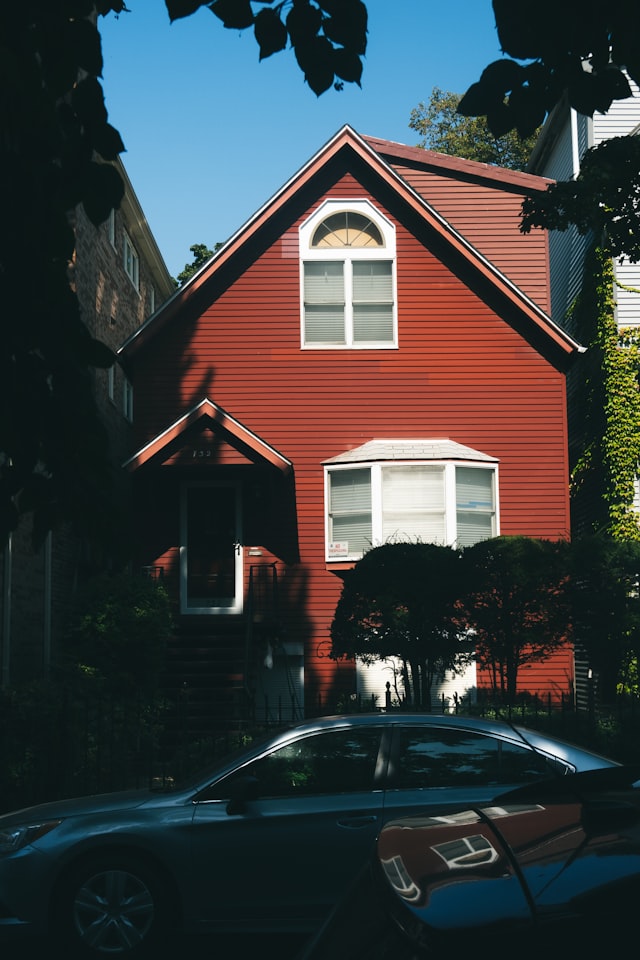
Suffern incorporated in 1796 and the Erie Railroad arrived in 1841, so the village core is genuinely old — 1920s Victorian farmhouses near Lafayette Avenue, prewar foursquares, and midcentury Capes and colonials threading Wayne and Mountainview Avenues. The 1976 Bon Aire complex adds roughly 1,000 co-op and townhome units. Older Suffern homes routinely surface knob-and-tube wiring, buried oil tanks, asbestos, lead paint, and aging boilers. Worse, much of the village hugs the Ramapo River floodplain, which has flooded repeatedly — meaning damp basements, mold, and flood-insurance flags. Any one of these can blow up a retail deal: a buyer's inspector finds the oil tank or a flood notation, the lender balks, and the contract collapses. A cash buyer who purchases as-is skips the inspection gauntlet entirely, which matters when your house carries eight decades of history.
Why Neighborhoods Matter More Than Citywide Averages
Suffern's "typical" value sits in the mid-$480,000s, while homes that actually closed over the past year ran a median near $600,000 — and even that spread hides everything. Antrim, the historic high end on the north side, trades far above a Bon Aire co-op, where low entry prices come bundled with monthly fees. Downtown and Lafayette Avenue offer walkable, transit-close prewar homes; Stonegate, Ramapo Cirque, and The Knolls at Ramapo are quieter pockets with their own price logic. Then there's flood exposure — a Ramapo River-adjacent block prices differently than higher ground three streets up. A relocating seller who anchors to a citywide average either underprices real equity or overprices a flood-flagged property and watches it rot on market. Block-level reality, not a village median, determines what your specific home is worth.
What You Actually Save by Skipping the Traditional Route
Run the math on Suffern's mid-$480,000s typical value. A 5–6% agent commission alone is roughly $24,000 to $29,000; on a home closer to the $600,000 median, it climbs toward $36,000. Add New York's transfer tax of $2 per $500 — about $1,940 on $485,000 — plus buyer concessions, repair credits from that brutal inspection, and 2.5–3 months of carrying near-$10,000 annual taxes while you're already paying for a new place elsewhere. For an equity-rich owner who's relocated, downsizing, or just bought, speed beats squeezing the last dollar: a cash, as-is sale ends the double-carry, sidesteps flood and oil-tank deal-killers, and closes on your timeline. Higher-end Antrim sellers above $1 million also brush New York's 1% mansion tax. Skipping the traditional route trades a slim top-dollar gamble for certainty.
