Local Property Taxes and the Pressure They Create
Monroe County carries one of the highest effective property tax rates in New York State, routinely running 2.5–3% when city, county, and school district levies are combined. On a $175,000 Rochester home — the city average — a homeowner can expect to pay $4,000–$5,000 per year in property taxes, which represents nearly 3% of the home's value annually. That burden is particularly acute in neighborhoods like Marketview Heights, Thurston-Howell, and Lyell-Otis, where home values are below the city average but tax bills remain stubbornly high relative to what the property is worth. Monroe County does conduct tax lien sales for delinquent accounts, adding a layer of urgency for owners who have fallen behind.
How New York Foreclosure Law Affects Your Options
Judicial foreclosure in New York runs 15 to 24 months, and Rochester homeowners must go through the mandatory settlement conference process required by New York State law before any foreclosure auction can proceed. Monroe County courts process foreclosure cases at a slower pace than downstate, partly due to the volume of cases relative to available judicial resources. There is no redemption period after a confirmed foreclosure sale. For a homeowner in Rochester who receives a foreclosure summons, the silver lining is that the long timeline creates a real window to sell — but that window closes, and delaying the decision until late in the process means selling under more pressure with fewer options. Acting before a lis pendens is filed keeps more choices on the table.
Rochester's Housing Stock and the Inspection Problem
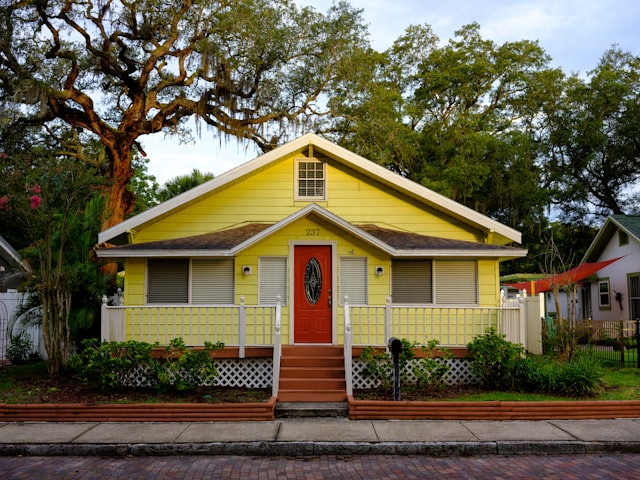
Rochester's housing stock is largely pre-WWII, with a heavy concentration of Victorian and Craftsman-style wood-frame homes built between 1890 and 1945. These homes are architecturally distinctive but require consistent upkeep. Common issues include aging knob-and-tube wiring that hasn't been updated, plaster walls with moisture damage, older boilers running on 30+ year old heat distribution systems, and flat-roof additions that develop ponding water problems over time. Many older homes have had multiple owners, multiple insurance claims, and deferred maintenance that compounds over decades. Rochester's cold, wet winters accelerate foundation seepage and roof deterioration. A conventional buyer's lender will demand repairs before funding — and that creates leverage problems for a seller without cash reserves.
Why Neighborhoods Matter More Than Citywide Averages
Rochester's housing market divides sharply along neighborhood lines. South Wedge and Maplewood have attracted renovation-focused buyers and hold values reasonably well, while Marketview Heights, Thurston-Howell, and Lyell-Otis see prices well below the $175,000 city average with slower demand. In North Winton Village, values depend heavily on the specific block. For sellers in the lower-value neighborhoods, the buyer pool for a financed purchase shrinks considerably, making cash offers a more realistic path to an actual closed transaction.
What You Actually Save by Skipping the Traditional Route
On a $175,000 Rochester home, a full 6% agent commission (Clever's New York average is 5.7%) is $10,500. Closing costs of 2–3% add another $3,500–$5,250. New York requires an attorney at closing (~$1,500). Add repair credits after inspection — which are common on older Rochester properties — and the seller's net can easily fall below $155,000. At Rochester's price point, transaction costs represent a large share of the home's value. A cash buyer at $160,000 with no commission, no repairs, and a 10-day close can leave the seller in about the same position as a listed sale at $175,000 after all costs are extracted. In a city where properties sit an average of 30–60 days and price reductions are common, the certainty of a cash offer is worth a lot.
