Local Property Taxes and the Pressure They Create
Onondaga County homeowners face a combined city, county, and school district tax burden that frequently pushes effective rates to 3% or higher on properties within the City of Syracuse. On a $155,000 Syracuse home — the city average — annual property taxes can run $4,500–$5,500, which means the carrying cost of owning a modest Syracuse house represents roughly 3–3.5% of its value per year in taxes alone. In South Side or Near Westside neighborhoods, where values sit well below $155,000, the tax bill is a large share of what the home is worth. Onondaga County pursues delinquent tax collections actively, and homeowners who fall two or three years behind find themselves facing tax foreclosure proceedings that can move faster than they expect.
How New York Foreclosure Law Affects Your Options
New York's 15-to-24-month judicial foreclosure timeline applies in Onondaga County, but Syracuse has a meaningful caseload of distressed properties that keeps court dockets busy. The mandatory settlement conference process is required before any foreclosure auction — a measure originally implemented statewide to address the 2008 foreclosure crisis that remains in place today. There is no redemption period after a confirmed sale. For a Syracuse homeowner, the lengthy timeline is a double-edged situation: it creates time to sell, but it also creates time for fees, interest, and additional tax delinquency to stack up. Many homeowners who enter the foreclosure process with $20,000–$30,000 in equity find that equity eroded by carrying costs by the time any resolution is reached.
Syracuse's Housing Stock and the Inspection Problem
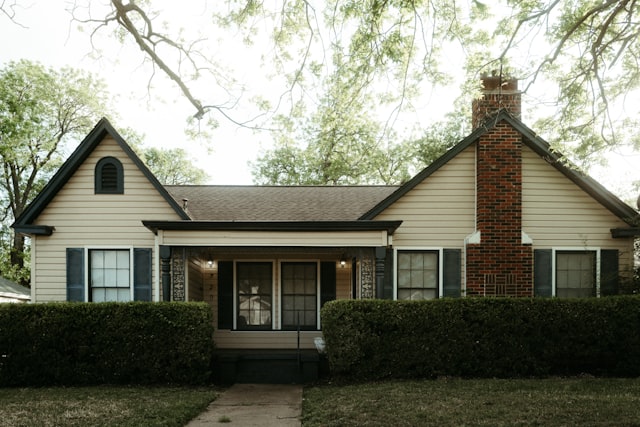
Syracuse's housing inventory is heavily concentrated in pre-1950 wood-frame single-family and two-family homes, with a large percentage built between 1900 and 1940. These homes carry typical older-stock challenges: original or partially-updated electrical systems, cast iron and galvanized steel plumbing approaching end-of-life, older forced-air systems with leaking ductwork, and insulation levels far below modern standards. Syracuse's freeze-thaw cycle — the city regularly receives 100+ inches of snow per year — creates aggressive exterior deterioration. Foundation movement from frost heave is common. Roof systems on homes with flat or low-pitched rear additions deteriorate faster than the main structure. Many older homes have been through multiple owners with little reinvestment along the way.
Why Neighborhoods Matter More Than Citywide Averages
Syracuse's neighborhood dynamics shape market outcomes dramatically. The Westcott and Strathmore areas, near Syracuse University, draw consistent demand from people tied to the university — these neighborhoods see relatively competitive activity. Tipperary Hill, on the city's West End, holds values reasonably. South Side and Near Westside trade at lower prices. North Side and East Side properties span a wider range, block by block. University Hill property values track closely with SU enrollment trends and institutional investment.
What You Actually Save by Skipping the Traditional Route
On a $155,000 Syracuse home, the math on traditional selling is unforgiving. A 6% commission is $9,300. Closing costs of 2–3% add $3,100–$4,650. New York attorney fees (~$1,500) and transfer taxes are additional. Inspection repair credits on a 100-year-old Syracuse home routinely run $5,000–$15,000. By the time all costs are extracted, a seller who lists at $155,000 may net $125,000–$135,000. A cash buyer at $140,000 as-is, closing in two weeks, can be a better outcome: more net dollars, no repair negotiation, no risk of a buyer's mortgage falling through at the last minute. At Syracuse's price point, where there isn't much margin to begin with, minimizing transaction friction directly translates to keeping more money in your pocket.
