West Virginia's Real Estate Landscape for Distressed Sellers
West Virginia carries one of the lowest property tax rates east of the Mississippi — 0.58%, ranking 44th nationally. That low rate is one of the few financial bright spots in a state where median home values in cities like Charleston and Huntington sit well below national averages and the housing stock skews old, often with deferred maintenance that limits traditional sale options. The state's economy has faced structural challenges for decades, and distressed sales — whether from estate situations, job loss, relocation, or years of accumulated problems — are a consistent part of the market. Non-judicial foreclosure here can close out in 2 to 3 months, one of the fastest timelines in the South Atlantic region.
How West Virginia Foreclosure Law Works
West Virginia operates on a non-judicial foreclosure system using the deed of trust framework. The trustee named in your mortgage documents can conduct the sale without court supervision, publishing notice and proceeding to auction after required waiting periods. The entire process takes 2 to 3 months. There is no statutory right of redemption in West Virginia — the trustee sale is final, and the new buyer takes ownership immediately without any buyback window for the former owner. Lenders can also pursue deficiency judgments in circuit court if the sale price falls short of the outstanding loan balance. The speed and finality of the non-judicial process means that once a lender decides to act, the timeline to losing the home is measured in weeks, not years.
Property Taxes and What Happens When You Fall Behind
West Virginia's 0.58% effective rate is among the lowest in the eastern United States, ranking 44th nationally. But even modest tax bills create problems when income dries up or a property sits vacant. The state allows counties to sell tax liens at annual sales, and if the lien goes unredeemed for 18 months, the lienholder can petition for a deed. Kanawha County (Charleston), Cabell County (Huntington), and Monongalia County (Morgantown) all run active delinquent tax programs. Properties that carry both mortgage arrears and multiple years of tax delinquency can end up in a complicated title situation that makes traditional financing — and therefore traditional sales — nearly impossible.
Why Cash Offers Work in West Virginia
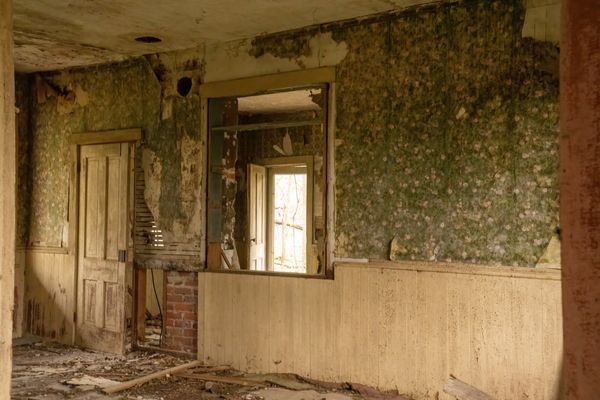
West Virginia is not an attorney-close state, which keeps transaction costs lower than in neighboring Virginia. The excise tax runs $1.10 per $500 of value plus an additional $0.55 per $500, typically split between buyer and seller by contract — but the seller's share on a $145,000 home still adds up alongside other closing costs. More importantly, the state's housing stock creates real friction in traditional transactions: older homes in Kanawha City, Dunbar, or Westmoreland often carry structural issues, outdated electrical, or foundation problems that kill financed deals during inspection. Cash buyers purchase as-is, skip the inspection contingency, and close without waiting for appraisals or lender approval — making them the practical option when a property needs work a traditional buyer won't accept.
