Local Property Taxes and the Pressure They Create
Wilmington sits in New Castle County, Delaware's most populous county, which administers property taxes at one of the lowest effective rates on the East Coast — Delaware's statewide rate is 0.57%, ranking 45th nationally. On a Wilmington home at the city's average price of $215,000, annual property taxes run roughly $1,225. Property taxes alone rarely push Wilmington homeowners into distress. The more common pressure points are deferred maintenance costs on the city's aging housing stock, lost income, and the added financial weight of Wilmington's local transfer tax surcharge that increases the cost of any eventual sale. When sellers fall behind, it's usually on the mortgage — not the tax bill.
How Delaware Foreclosure Law Affects Your Options
Delaware's judicial foreclosure process runs 6 to 9 months from filing to sheriff's sale, handled through Superior Court. That's faster than most judicial states, and Wilmington's New Castle County docket keeps things moving. There is no redemption period once the sale is confirmed — the moment the court approves the sheriff's sale, the property transfers. For Wilmington homeowners in default, the window to act is real but limited. The 6-to-9-month timeline sounds like breathing room, but between the initial filing, court scheduling, and the notice process, the actionable window for a seller to close and recover equity is shorter than it appears on paper.
Wilmington's Housing Stock and the Inspection Problem
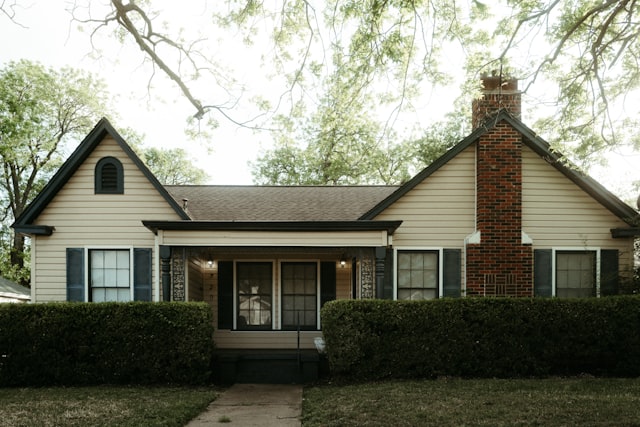
Wilmington's East Side, West Center City, and Riverside neighborhoods are filled with early 20th-century rowhomes and two-story brick and frame houses, many of which haven't seen major renovation in decades. Lead paint is common throughout the city's pre-1978 housing stock — Browntown, Hedgeville, and the Triangle in particular have high concentrations of older, minimally updated homes. FHA loans require lead clearance before closing, which means buyers dependent on FHA financing — the most common buyer type at Wilmington price points — face a built-in obstacle on a huge share of the city's inventory. Cash buyers aren't subject to those lender conditions.
Why Neighborhoods Matter More Than Citywide Averages
Wilmington's neighborhoods swing dramatically in buyer demand. Cool Spring and areas near Trolley Square see real competition among buyers. Hedgeville and parts of East Side move much more slowly, with higher investor-to-owner-occupant ratios and longer average days on market. Riverside and Triangle fall in the middle, with inconsistent buyer pools. Hilltop and Browntown remain price-sensitive. A seller in Hedgeville who prices off Cool Spring comparables will sit on the market for months, burning carrying costs, while a cash buyer can move in two to three weeks regardless of neighborhood.
What You Actually Save by Skipping the Traditional Route
At Wilmington's average of $215,000, a traditional sale comes with significant friction. A 6% agent commission runs $12,900. Delaware's transfer tax is 4% total — the seller's share is 2%, or $4,300 — plus Wilmington's local surcharge adds more. Closing costs at 2% add another $4,300. Repairs on Wilmington's older housing stock — lead remediation, plumbing, electrical — can easily reach $10,000 to $20,000. Add 60 to 90 days of carrying costs at $1,500 to $2,200 per month. Total cost of a traditional sale can reach $35,000 to $50,000 on a $215,000 home. A cash offer that closes in two weeks eliminates almost all of that.
