Local Property Taxes and the Pressure They Create
Fulton County applies Georgia's effective rate of 0.92%, which ranks 24th in the country. On a $385,000 Atlanta home, annual property taxes run approximately $3,542. Fulton County has some of the highest millage rates in the metro Atlanta area, and homeowners without the county's homestead exemption — common in inherited properties — face the full assessed-value bill. Atlanta's rapid appreciation since 2016 has dramatically increased tax bills in many neighborhoods. Some homeowners have seen their property values triple while their income stayed flat, creating a tax burden that makes staying in the home hard to afford.
How Georgia Foreclosure Law Affects Your Options
Georgia uses non-judicial foreclosure and runs one of the fastest processes in the country. From the first published notice to the courthouse steps auction, the timeline is just 2 to 3 months. Lenders advertise in Fulton County's legal organ for four consecutive weeks, and sales happen on the first Tuesday of every month at the county courthouse — a process unchanged in form since Georgia's founding. There is no statutory redemption period after the sale. That combination — fast process, monthly auction dates, no second chance — means Atlanta homeowners in default have a very compressed window to act. Missing one first-Tuesday auction date by a week doesn't reset the clock; the next one is only 30 days away.
Atlanta's Housing Stock and the Inspection Problem
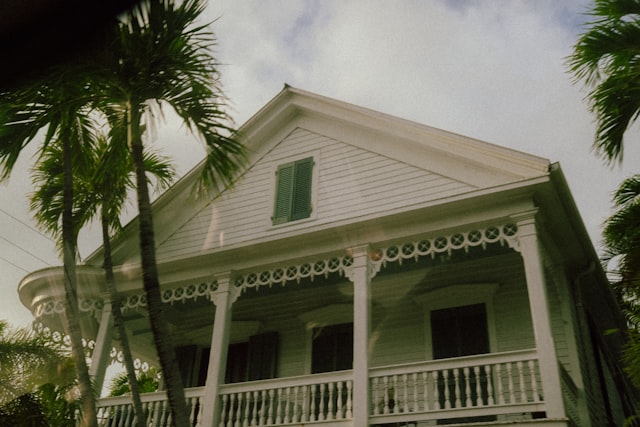
Atlanta's westside neighborhoods — Vine City, English Avenue, Bankhead, and Mechanicsville — carry some of the oldest residential housing stock in the city. Turn-of-the-century Craftsman bungalows and Victorian-era shotgun houses are common, many with original balloon-frame construction that modern inspectors flag for fire safety concerns. Pittsburgh and Westview further south have more 1940s through 1960s brick ranch homes that are structurally sound but need system updates. East Point and College Park, technically separate cities adjacent to Atlanta, have older neighborhoods with similar profiles. The urban heat island effect in Atlanta accelerates HVAC wear on older systems, and inspections in these neighborhoods routinely flag units running past their useful life.
Why Neighborhoods Matter More Than Citywide Averages
Atlanta's $385,000 average is skewed by Buckhead, Midtown, and Inman Park pricing. In Vine City and English Avenue, homes often sell at $100,000 to $200,000. In Westview and Pittsburgh, condition varies a lot from house to house. East Point is an independent city with its own mayor, police, and tax structure, functioning as a true suburb of Atlanta. College Park sits adjacent to Hartsfield-Jackson and sits near industrial areas, and investor activity there is steady.
What You Actually Save by Skipping the Traditional Route
On a $385,000 Atlanta home, traditional sale costs mount fast. Six percent agent commission runs $23,100. Closing costs at 2% to 3% add $7,700 to $11,550. Georgia's transfer tax at $1.00 per $1,000 adds $385. As an attorney-close state, Georgia requires a real estate attorney at closing — typically $500 to $1,000 — but experienced cash buyers already work with attorneys who close efficiently. Pre-sale repairs on a Vine City or English Avenue Craftsman bungalow — foundation, wiring update, plumbing, roof — can run $20,000 to $40,000. Two to three months of carrying costs at $2,400 per month adds $4,800 to $7,200. Total friction on a distressed Atlanta property can reach $56,000 to $83,000 below list. A cash close before the next first-Tuesday auction removes all of it.
