Local Property Taxes and the Pressure They Create
Bellevue is in King County, where Washington's 1.03% effective property tax rate applies to homes averaging $1,150,000 — the highest in this batch by a wide margin. Annual property taxes on that average home run approximately $11,845 — nearly $987 per month in taxes alone. King County's levy structure is among the most complex in the state, layering city levies, school district bonds, Sound Transit 3 assessments, Metro Transit levies, and King County Library System funding onto the base rate. For Bellevue homeowners, the absolute tax burden in dollars is among the highest in Washington. Even high-income owners can find themselves in distress — job loss in the tech sector, divorce, or estate situations create sudden exposure on properties with seven-figure carrying costs.
How Washington Foreclosure Law Affects Your Options
Washington's non-judicial Deed of Trust foreclosure runs 4 to 5 months in King County with no redemption period after the trustee sale. King County processes high foreclosure volumes given its population, and trustee sales on Bellevue-area properties are advertised publicly. Washington's REET is where Bellevue sellers feel the most pain: on a $1,150,000 sale, the tiered REET calculation reaches the 2.75% to 3.0% bracket on the portion above $1,500,000, and roughly 2.75% on the full $1,150,000 — totaling approximately $31,600 in transfer tax that the seller typically pays. That alone exceeds the entire purchase price of a home in some other states. A direct cash sale doesn't eliminate REET, but it eliminates everything else.
Bellevue's Housing Stock and the Inspection Problem
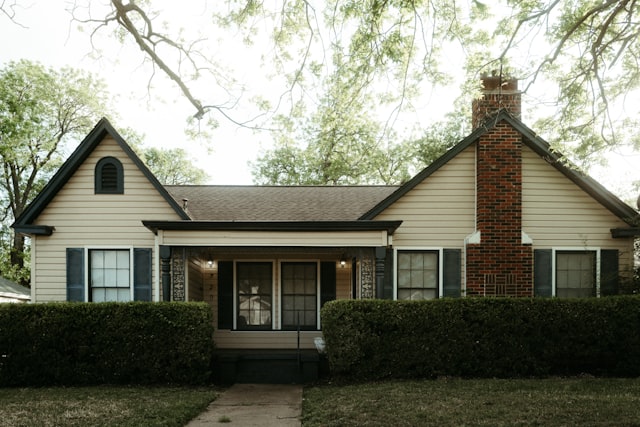
Bellevue's housing stock at the $1.15 million average price point means even modest or outdated homes command seven figures based on land value alone. Crossroads and Lake Hills on the east side have 1960s to 1980s ranches and split-levels that are structurally sound but cosmetically dated — buyers at this price expect updated kitchens, bathrooms, and mechanical systems, and they get inspection reports that reflect every deferred item. Newport Hills and Factoria have similar mid-century inventory with the added complexity of steep topography; retaining walls, drainage systems, and hillside foundations receive intense scrutiny from buyers and their engineers. Bel-Red has undergone significant redevelopment pressure, and some older residential properties there have appraisal complications tied to transitional zoning.
Why Neighborhoods Matter More Than Citywide Averages
Crossroads and Lake Hills have historically been Bellevue's lowest-priced sub-areas, but that still means $800,000+, and buyers there are still demanding. Wilburton and Bel-Red are close to the new light rail and facing rapid commercial development; some residential parcels have competing use pressures that make traditional residential buyers uncertain. Newport Hills and Factoria offer large lots and established trees but have older infrastructure — buyers spending $1M+ there often conduct thorough engineering inspections, not just standard home inspections. In Phantom Lake, prices are driven more by lot size than by proximity to the urban core.
What You Actually Save by Skipping the Traditional Route
On Bellevue's $1,150,000 average home, traditional sale costs reach a scale that most sellers don't fully account for until it's too late. Agent commissions at 6% are $69,000. Washington REET at approximately $31,600. Additional seller closing costs at 1.5-2%: $17,250 to $23,000. Pre-listing updates, staging, and repairs on a dated Bellevue home to meet luxury buyer expectations commonly run $20,000 to $60,000. Three months of carrying costs — mortgage, King County taxes, insurance, utilities — at $8,500 to $10,500 per month totals $25,500 to $31,500. Combined overhead on a traditional Bellevue sale: $163,000 to $215,000. A cash sale at a discount can still net close to a traditional sale once these costs are counted.
