Five different governments tax the same house
In Dallas, your property tax bill is really five bills stacked together: city, county, school district, hospital district, community college. On a typical Dallas home that works out to over $500 a month, before your mortgage. No state income tax means the property carries everything. And once you fall behind, the county hands the account to a collections law firm that adds its own fees on top of the penalties already growing. One year of delinquency can push a $6,000 bill toward $10,000. Waiting doesn't make that number smaller. It never has.
First Tuesday at the courthouse, every month
Dallas County auctions foreclosed homes the first Tuesday of every month, and getting there takes as little as two months from your first missed payment. No judge, no hearing, your lender sends two notices and the date is set. There's no redemption in Texas either, so once it sells, it's gone. The Dallas auction draws big money, hedge funds and flippers both, but that doesn't help you. Houses often sell at auction for less than what's owed, and the lender can come after you for the difference. So yes, sell before it gets there. Just know what's standing in the way.
Dallas gumbo eats foundations
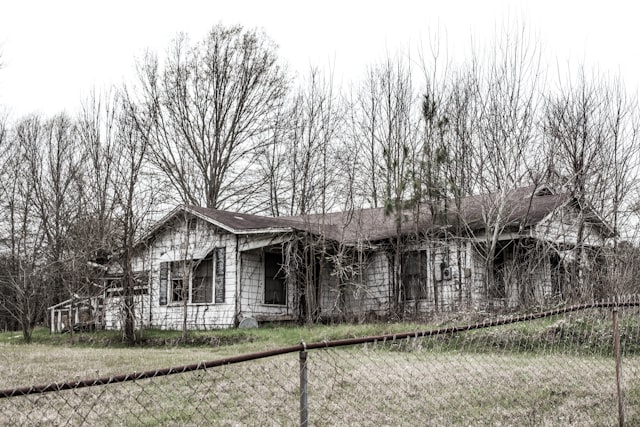
The black clay under this city (locals call it Dallas gumbo) swells in the rain and cracks open in August, and the houses built on it from the 1940s through the '70s in South Dallas, West Dallas, Pleasant Grove, Oak Cliff, and Fair Park have been moving on it for decades. Serious foundation work here can run into the tens of thousands, and even then the soil keeps doing what soil does. A lot of these houses also still have the original electrical panels and galvanized pipes. An inspector flags all of it, the buyer's lender wants it fixed, and most financed buyers just quietly disappear.
What your block sells for, not what Dallas sells for
The Dallas average gets pulled way up by Preston Hollow, Uptown, and everything around the Park Cities. In South Dallas or Pleasant Grove, houses commonly trade between $150,000 and $200,000. In Oak Cliff, two similar houses a few streets apart can sell for wildly different numbers. In Elm Thicket and Hamilton Park, most of the stock needs work. Price off the citywide number and you'll spend months doing price cuts while the foreclosure calendar keeps moving.
Adding up both options honestly
A traditional sale on a Dallas house means commission, closing costs, foundation and repair work before a lender will approve the buyer's loan, and carrying the house through a listing in a high-tax county. All in, the friction usually lands somewhere between $55,000 and $80,000, and it takes a couple months you might not have. A cash buyer prices the repairs in, takes the house as-is, and can close faster than a financed buyer. I'm not going to pretend the cash number is always higher, because it isn't. But if the clock is running, deciding early is what lets you actually compare the two instead of getting stuck with whichever one is left.
