The tax bill comes whether you're ready or not
Tarrant County taxes a typical Fort Worth home around $5,700 a year, and that bill doesn't care that you're mid-divorce or just lost a job. Texas has no income tax, so property owners fund everything, and in many neighborhoods the values (and the bills) have climbed faster than paychecks. Here's the thing about tax debt versus mortgage debt: a mortgage can sometimes be modified. Back taxes just compound, with penalties stacking and eventually a collections law firm adding its fees to the pile. The county isn't in a hurry to work with you. It doesn't have to be.
From missed payment to courthouse steps in a season
Texas lets lenders foreclose without ever seeing a judge. Notice goes out, the clock runs, and the sale happens on the first Tuesday of the month at the Tarrant County courthouse, often just two to four months after the first default. And once it sells, that's final. No redemption, no do-over. The hard part is that most people don't grasp how serious it is until around month two, which leaves almost no runway. Listing the house is the natural instinct, and it's not a bad one. But you have to be honest about what happens when an inspector walks through an older Fort Worth home.
The inspection report on a 1950s Fort Worth house
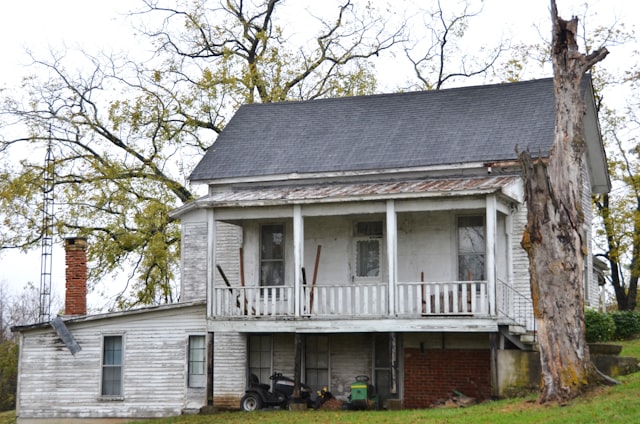
The east and south sides of Fort Worth, Morningside, the Eastside, Stop Six, are full of homes built in the '40s through '70s on pier-and-beam foundations, sitting on North Texas clay that flexes with every wet spell and drought. After sixty years of that, foundations have moved, and repair bids in Tarrant County can easily run into five figures. These houses also tend to have cast-iron drain lines rusting from the inside and electrical panels that predate current code. An inspector flags every bit of it, the buyer's lender demands repairs before closing, and your sale stalls while the auction calendar doesn't.
Your neighborhood, not the city average
The citywide average hides a lot. The same floor plan that brings $280,000 in Richland Hills might bring $180,000 in Rosemont or Haltom City. In Stop Six and Polytechnic Heights, houses still sit longer than the city average. In Morningside, prices change block by block. If you price off citywide data instead of what's actually closing in your neighborhood, you'll spend the next two months learning the difference through price cuts.
Run the numbers before you pick a lane
Commission and closing costs on a typical Fort Worth sale take roughly $25,000 off the top before anything else happens. Then the inspection comes back on an older house and the buyer wants another chunk in repairs or concessions, and meanwhile you're carrying the mortgage, taxes, and insurance for every month it sits. Realistically the traditional route costs $40,000 to $55,000 here, plus the time. A cash offer skips the repairs, the concessions, and most of the wait. Whichever way you lean, decide while it's still your decision, the first Tuesday doesn't reschedule.
