Local Property Taxes and the Pressure They Create
Detroit sits in Wayne County, which applies Michigan's 1.54% effective property tax rate — but in Detroit's case, the millage rates are among the highest in the state, often exceeding 60 to 70 mills in city limits. On an average Detroit home valued around $90,000, annual taxes can run $2,500 to $4,000 depending on neighborhood and assessed value. Wayne County has been aggressive about tax foreclosure — Detroit's 2015 tax foreclosure auction was the largest municipal tax auction in American history, putting over 60,000 properties through the process in a single year. The county's two-year delinquency timeline is firm: after year two, you forfeit the right to the property. Sellers behind on taxes here have less time than most people think.
How Michigan Foreclosure Law Affects Your Options
Michigan's non-judicial foreclosure by advertisement means there is no courtroom, no judge, and no filing delays. Once a lender publishes the required notices for the required weeks, the sheriff's sale happens on schedule — the whole process from first notice to sale runs just 2 to 4 months. After the sale, Detroit homeowners have a 6-month redemption period to stay in the property and pay off the debt. If the property is abandoned, that drops to 1 month. For a homeowner in a $90,000 home with a significant mortgage balance and deferred maintenance piling up, the redemption period often isn't realistic — the math doesn't work. A cash sale before the sheriff's sale is almost always the better outcome: you get what equity remains, and you control the timeline.
Detroit's Housing Stock and the Inspection Problem
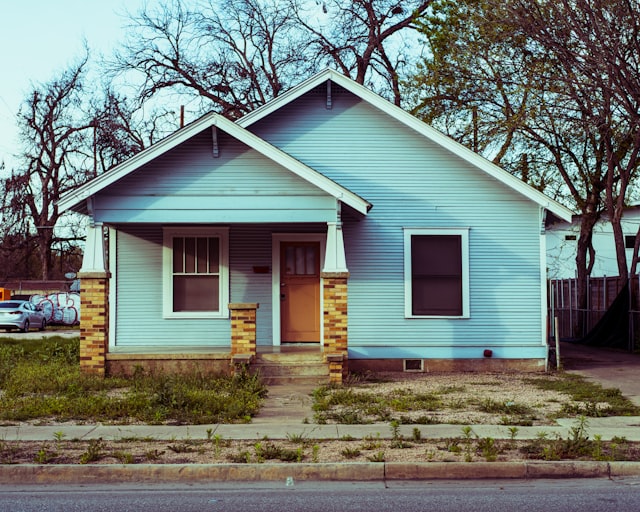
Detroit's housing stock is genuinely unlike anywhere else in the Midwest. The majority of the city's residential properties were built between 1900 and 1955, and a significant portion of those have never been systematically updated. Common findings include knob-and-tube wiring that predates modern electrical loads, lead water service lines throughout older neighborhoods, plaster walls and lathe construction that hide moisture issues, and basement foundations that shift with Detroit's clay-heavy soils. Homes with these issues often fail FHA appraisals for condition, which leaves cash as the practical option for them.
Why Neighborhoods Matter More Than Citywide Averages
Detroit's $90,000 average obscures a market that runs from $20,000 in Delray and parts of Jeffries to $200,000-plus in East English Village and Corktown. Midtown and Corktown command premium prices for walkable blocks near Wayne State and the medical district. East English Village has solid brick construction. Gratiot Woods has older housing and lower price points.
What You Actually Save by Skipping the Traditional Route
On a $90,000 Detroit home, traditional sale costs hit proportionally harder than in higher-priced markets. A 6% agent commission takes $5,400. Seller closing costs of 2% to 3% add $1,800 to $2,700. Michigan's transfer tax — $3.75 per $500 state plus $0.55 per $500 county — adds roughly $765 on a $90,000 sale, all on the seller. Repairs needed to pass an FHA or conventional inspection on a Detroit home of any age can range from a few thousand dollars to completely prohibitive. Holding costs — especially property taxes running $3,000 to $4,000 per year — mean every extra month costs real money. A cash sale as-is can net the seller more on a $90,000 home than a financed offer ever would after all costs are backed out.
