
Michigan's Real Estate Landscape for Distressed Sellers
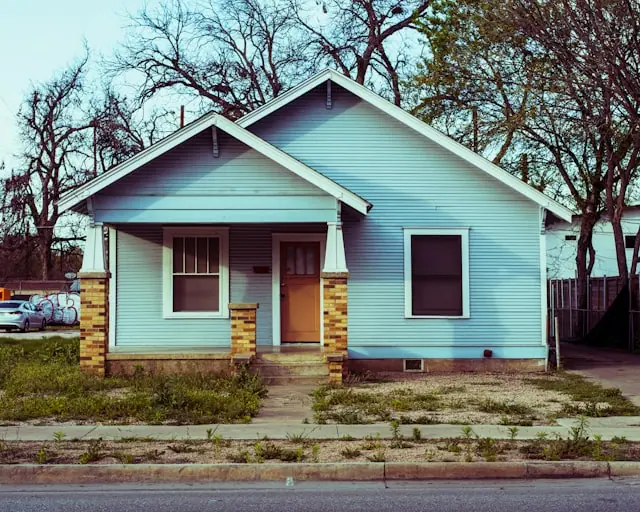
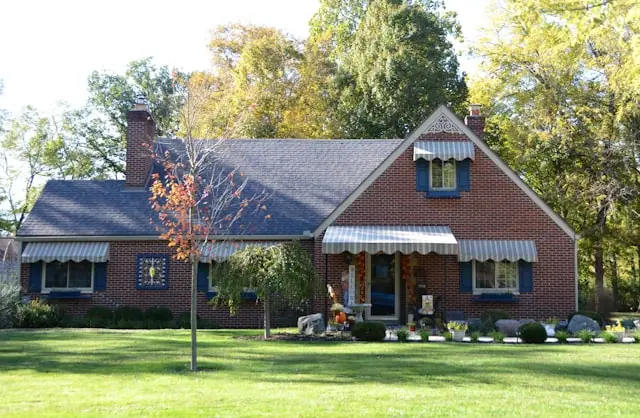
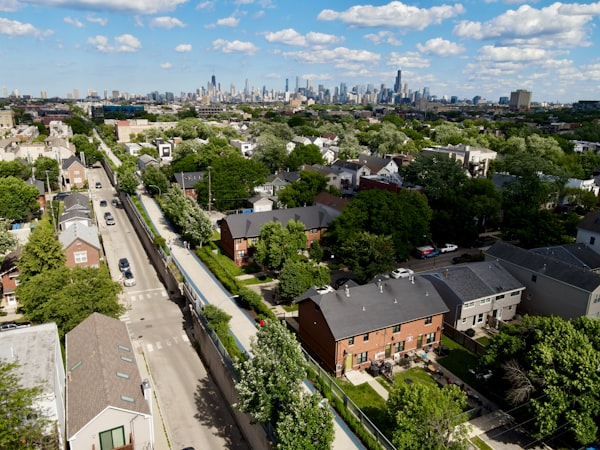
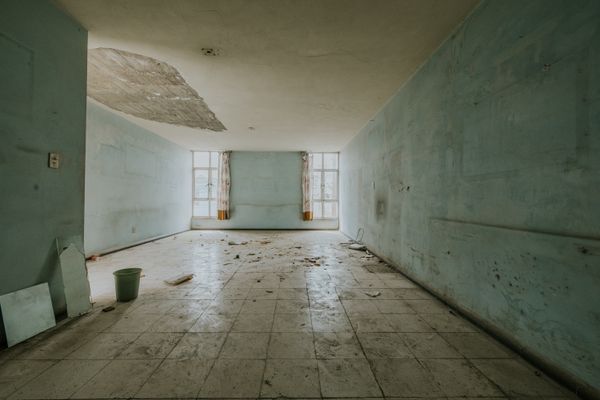
Michigan carries the 11th highest effective property tax rate in the country at 1.54%, and the state's housing market is one of the most polarized in the Midwest. Detroit-area properties can sell for under $50,000 while Ann Arbor commands prices above $400,000, often within the same county. That spread means distressed sellers in Wayne, Genesee, and Saginaw Counties face very different math than those in Washtenaw or Oakland. The state's legacy as an auto manufacturing hub left behind large quantities of aging single-family housing stock — much of it built between 1920 and 1970 — that carries real inspection risk: older wiring, cast iron plumbing, and furnaces that haven't been updated in decades.
How Michigan Foreclosure Law Works
Michigan uses non-judicial foreclosure by advertisement, which is one of the faster processes in the country. Once a lender files the required notice and runs the publication, the foreclosure can complete in as little as 2 to 4 months. After the sheriff's sale, homeowners get a 6-month redemption period to pay off the debt — that window shortens to just 1 month if the property is classified as abandoned. The non-judicial process means no judge, no courtroom, and no extended delays. For sellers, the speed of Michigan foreclosure cuts both ways: you get less time to react, but you also have a clear timeline to work with if you decide to sell before the redemption period expires.
Property Taxes and What Happens When You Fall Behind
Michigan's 1.54% effective rate translates to roughly $2,775 per year on a $180,000 home. When property taxes go delinquent, Michigan's process escalates quickly. After one year of non-payment, the county treasurer takes over the account. After two years, the property goes to the county land bank and the owner forfeits the right to the property — the state's forfeiture process is structured differently than most states and moves faster than many homeowners realize. Detroit's city tax foreclosure crisis of the 2010s was driven largely by this two-year timeline. Sellers with delinquent taxes in Wayne, Genesee, or Ingham Counties need to act well before that second anniversary passes.
Why Cash Offers Work in Michigan
Michigan sellers pay state transfer tax of $3.75 per $500 plus a county transfer tax of $0.55 per $500 — the seller typically absorbs both. On a $180,000 sale, that's roughly $1,530 in transfer taxes before agent commissions or closing costs. Michigan doesn't require an attorney to close, so escrow is handled through title companies, keeping closing faster and more flexible. For a seller with a non-judicial foreclosure running at 2 to 4 months, a cash sale that closes before the sheriff's sale eliminates the redemption period gamble entirely. You keep more of the equity you have left, avoid additional interest accrual, and close before the bank sells at sheriff's sale — often for far less than a negotiated cash offer.
