Local Property Taxes and the Pressure They Create
Durham is in Durham County, and at North Carolina's 0.84% effective rate on a $375,000 average home price, annual property taxes run approximately $3,150. Durham County has undergone dramatic revaluation in recent years, reflecting the city's transformation from a tobacco and textile economy to a tech and healthcare hub anchored by Duke University and Research Triangle Park. That transformation has been great for home equity on paper, but it has also produced rapidly rising tax bills for owners in neighborhoods like Hayti, East Durham, and Walltown. For an owner on a tight budget, a higher assessment can make the house hard to keep.
How North Carolina Foreclosure Law Affects Your Options
Durham County foreclosures proceed under North Carolina's non-judicial process, including the clerk of court hearing that adds a formal step before auction. The 2-to-4-month timeline applies in Durham just as in every other NC county. After the auction, the 10-day upset-bid window is the only recourse — there is no extended redemption period. For a Durham County seller facing foreclosure, a cash sale before the auction date is one option.
Durham's Housing Stock and the Inspection Problem
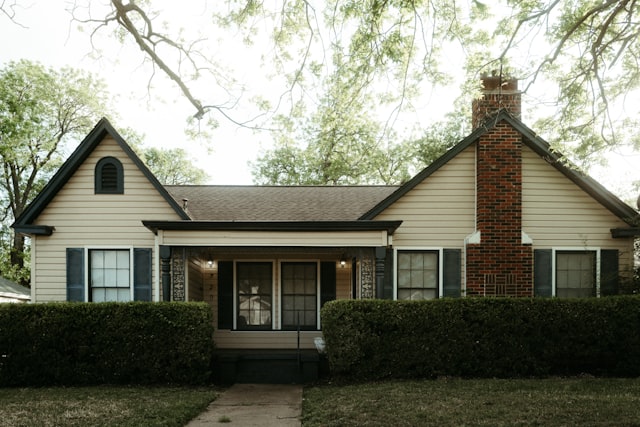
Durham's older housing stock in Hayti, East Durham, and Old West Durham includes homes from the 1920s through 1960s — many of them Craftsman bungalows and American Foursquares that are architecturally appealing but mechanically dated. Knob-and-tube wiring is still found in some of the oldest properties. Pier-and-beam foundations in Durham County's expansive clay soils require monitoring and periodic adjustment. The more interesting inspection challenge in Durham is the pace of renovation: some blocks have been fully rehabbed and sell with modern systems, while adjacent blocks carry the original 1940s infrastructure. An inspector's findings on a Durham Craftsman can range from "minor updates needed" to "full system replacement required," and that variance makes financing unpredictable.
Why Neighborhoods Matter More Than Citywide Averages
Durham's $375,000 average reflects the city's overall appreciation trajectory, but Hayti and East Durham still trade below that average — and the gap between renovated blocks and unrenovated blocks within the same neighborhood can be $80,000–$100,000. Bragtown on the north side has values below the city median and a buyer pool that includes both investors and first-time buyers stretching their budgets. Walltown, near Duke's east campus, has appreciated steadily but carries older stock with mixed condition. Lyon Park and Northgate Park are mostly owner-occupied, but even there, older homes that haven't been updated carry the same inspection complications. Edgemont, near downtown, has become one of the most competitive sub-markets in the Triangle.
What You Actually Save by Skipping the Traditional Route
At $375,000, Durham's transaction costs are real. Agent commissions at 6% total $22,500. North Carolina's excise tax adds $750. Closing costs reach $8,250–$12,375. A full renovation of a 1940s East Durham bungalow with original systems can cost $20,000–$45,000. Even minor inspection concessions on a partially updated property run $5,000–$12,000. Holding costs on a $375,000 property during a 60–90 day listing — mortgage at current rates, taxes, insurance — add $3,500–$5,500 per month. Total traditional cost: $54,000–$85,000 in a market where the margin between list price and net is already compressed. A cash buyer offering $325,000–$340,000 and closing in 14 days often delivers a superior net for sellers who are realistic about what their home needs.
