Local Property Taxes and the Pressure They Create
Winston-Salem is in Forsyth County, and at North Carolina's 0.84% effective rate on the city's $245,000 average home, annual property taxes come to roughly $2,058. Forsyth County's property assessments reflect a city that has experienced moderate, steady appreciation rather than the explosive growth seen in Charlotte or the Triangle. That moderate growth is actually a problem for distressed sellers: the relatively lower values mean there's less equity cushion when financial hardship hits, and less margin to absorb the costs of a traditional sale. Neighborhoods like East Winston, Goler, and Cleveland Avenue have seen values improve, but the absolute dollar gains are smaller than in North Carolina's faster-growing metros, and the carrying cost pressure is proportionally similar.
How North Carolina Foreclosure Law Affects Your Options
Forsyth County foreclosures run through North Carolina's non-judicial process with the clerk of court hearing requirement. The 2-to-4-month timeline applies, and the post-sale upset-bid period is 10 days. The clerk of court hearing in Forsyth County is typically scheduled within 60 days of the initial filing, so sellers who want to sell before the auction should get moving before that hearing date, not after.
Winston-Salem's Housing Stock and the Inspection Problem
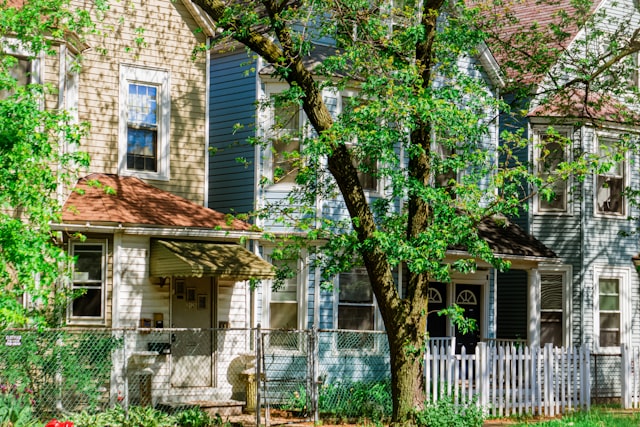
Winston-Salem's older housing stock is a product of its industrial history. East Winston, Sunrise, Cleveland Avenue, and Goler are mill-era and tobacco-era neighborhoods with homes built between the 1900s and 1950s. These are small homes, often 900–1,400 square feet, with the condition issues that come with 70–120 years of age. Knob-and-tube wiring, galvanized plumbing, single-pane windows, and coal-converted heating systems are common. Kimberly Park has similar stock. Stanleyville, on the city's eastern edge, has newer mid-century housing but still carries 1960s–1970s infrastructure. Ardmore, near Wake Forest University's former campus, has a mix of condition — some fully renovated, some original throughout.
Why Neighborhoods Matter More Than Citywide Averages
Winston-Salem's $245,000 average blends higher-priced Ardmore and the areas near South Highlands with lower-value East Winston and Sunrise corridors. East Winston and Goler have appreciated modestly but still trade well below the city average. Happy Hill has seen some investor activity but remains a cash-buyer market. Cleveland Avenue is one of the city's lower-priced corridors with limited conventional buyer demand. Kimberly Park has strong owner-occupant demand on some blocks and less on others. For sellers in the lower-value corridors, cash buyers represent the majority of active buyers in the market.
What You Actually Save by Skipping the Traditional Route
At $245,000, a traditional Winston-Salem sale costs $14,700 in agent commissions at 6%. North Carolina's excise tax at $1.00 per $500 adds $490. Closing costs reach $5,390–$8,085. Repairs on an East Winston or Goler home with original wiring and plumbing can easily run $15,000–$28,000 — and on a $245,000 home, that repair investment may not translate into a proportionally higher sale price. Holding costs during a 60–75 day listing — mortgage, taxes, utilities — add $3,000–$4,500. Total: $38,000–$55,000 on a $245,000 home, or roughly 15–22% of the sale price. A cash buyer offering $205,000–$215,000 with a two-week close eliminates that entire overhead and delivers a predictable, clean exit with no inspection renegotiations, no financing failures, and no waiting.
