Local Property Taxes and the Pressure They Create
Indianapolis is the county seat of Marion County, and property taxes here run at Indiana's effective rate of 0.85% — one of the more manageable rates in the Midwest. On a home near the city's average price of $245,000, that's roughly $2,083 per year. But Marion County's tax system includes circuit breaker caps that limit taxes to a percentage of assessed value, which helps most homeowners — until the property has been reassessed upward faster than the owner's income has grown. Indianapolis has seen significant appreciation in some neighborhoods over the past decade, pushing assessments higher and squeezing homeowners whose incomes haven't kept up since they bought.
How Indiana Foreclosure Law Affects Your Options
Indiana uses judicial foreclosure, requiring your lender to sue you in court before selling the home. In Marion County, the process typically runs 5 to 12 months from filing to the court-confirmed sale. There is no statutory redemption period in Indiana — once the Marion County court confirms the foreclosure sale, the outcome is final. You cannot pay off the debt afterward and reclaim the property. That makes the confirmed sale a hard, irreversible deadline. The only realistic window to resolve a distressed situation on your own terms is before the court issues its final judgment — after that, the sale proceeds regardless of whether you're ready.
Indianapolis's Housing Stock and the Inspection Problem
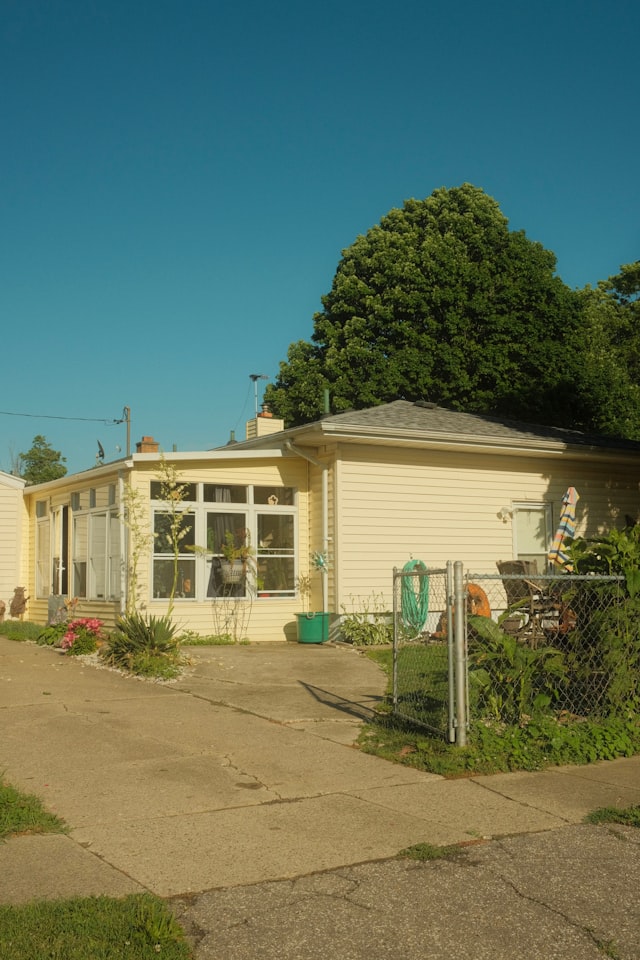
Indianapolis has enormous variation in housing age and condition. The older eastside neighborhoods — Near Eastside, Irvington, and Brightwood — have housing stock dating from the early 1900s through the 1940s, with the full spectrum of aging infrastructure that comes with it. Original masonry foundations, aging knob-and-tube wiring that hasn't been updated, galvanized plumbing, and outdated service panels are common findings in Irvington bungalows and Near Eastside two-stories. In Brightwood, some blocks draw strong investor interest, while on others decades of deferred maintenance mean the inspection report runs three pages.
Why Neighborhoods Matter More Than Citywide Averages
Indianapolis is a large city with neighborhood conditions that vary dramatically within short distances. Broad Ripple and Meridian-Kessler are established, high-demand areas where homes sell quickly and buyers tolerate fewer defects. Fountain Square has seen strong appreciation. But Mapleton-Fall Creek, Woodruff Place, and the Near Eastside corridor present a different picture — longer days on market, buyers who write offers contingent on substantial repairs, and a retail market that's thin for properties in poor condition. If your home is in one of the city's eastern or near-north neighborhoods with deferred maintenance, the citywide average of $245,000 doesn't represent your actual market position.
What You Actually Save by Skipping the Traditional Route
On a $245,000 Indianapolis home, a traditional sale carries predictable costs that add up fast. A 6% commission means $14,700 gone at closing. Buyer closing cost contributions add another $4,900 to $7,350. Pre-sale repairs on a Marion County home — especially older eastside properties — often run $8,000 to $20,000 before the home is move-in ready enough to attract financed buyers. Four to six months of carrying costs during the listing period add another $5,000 to $9,000. Total: easily $32,000 to $51,000 in transaction costs before you see proceeds. Indiana's no-redemption rule means that once a foreclosure sale is confirmed, the math gets worse fast. A cash sale closes the situation cleanly and immediately.
