Local Property Taxes and the Pressure They Create
South Bend is the county seat of St. Joseph County, and Indiana's 0.85% effective property tax rate produces annual taxes of roughly $1,488 on a home near the city's average price of $175,000. South Bend has seen new investment in recent years, but homes in older neighborhoods haven't all appreciated at the same pace. For those homeowners, taxes are manageable in isolation but become one more obligation stacking against a tight budget when income disruption hits.
How Indiana Foreclosure Law Affects Your Options
Indiana is a judicial foreclosure state, which means your lender files a lawsuit in St. Joseph County court before selling the home. The process runs 5 to 12 months from initial filing to court-confirmed sale. Indiana has no statutory redemption period after that confirmation — the foreclosure is final the moment the judge approves it. South Bend has a history of elevated foreclosure rates relative to its size, partly driven by the age and condition of housing in its older neighborhoods and partly by economic cycles tied to the regional manufacturing and service economy. Once the St. Joseph County court process begins, options narrow quickly. The practical window to act is before the filing date, not after it.
South Bend's Housing Stock and the Inspection Problem
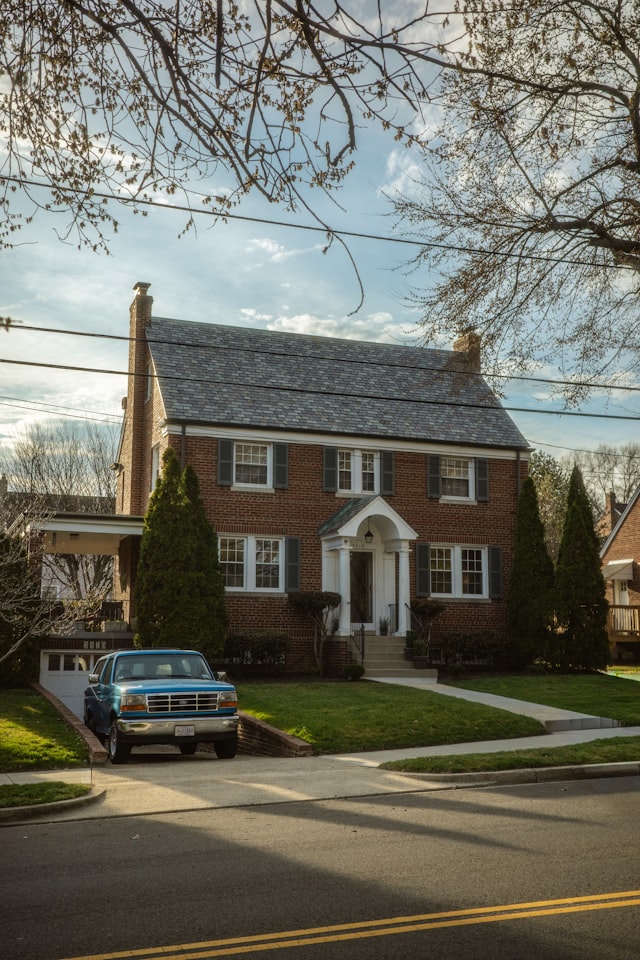
South Bend has a rich stock of older homes — craftsman bungalows, American Foursquares, and two-story colonials from the early to mid-1900s are common in neighborhoods like Near Northwest, Near Northeast, and River Park. These homes have character, but they carry the inspection realities of their age: original knob-and-tube wiring (sometimes not fully replaced), cast iron drain lines that have scaled or partially collapsed, aging boiler systems or old forced-air furnaces with inefficient heat exchangers, and single-pane windows original to the structure. Many South Bend properties have also been rental conversions and back over the years, creating deferred maintenance patterns that surface quickly under inspection.
Why Neighborhoods Matter More Than Citywide Averages
South Bend's real estate market is highly localized. Mishawaka, on the eastern edge of the metro, has newer construction and stronger demand. Granger, the suburban unincorporated area to the north, functions almost like a separate market. But the Near Northwest and Near Northeast neighborhoods — the historic urban core — have genuine demand challenges. In Rum Village on the city's southwest side and parts of the Westside corridor, buyer pools skew toward investors rather than owner-occupants. Kern Road, sitting between the city core and suburban areas, is more mixed. Your neighborhood determines your realistic buyer pool more than the citywide average does.
What You Actually Save by Skipping the Traditional Route
On a $175,000 South Bend home, the traditional sale math is tight. A 6% agent commission pulls $10,500. Buyer closing cost requests add $3,500 to $5,250. Pre-sale repairs on a Near Northwest or Near Northeast home — addressing electrical, plumbing, or structural findings from a St. Joseph County inspection — typically run $7,000 to $20,000. Add 4 to 6 months of carrying costs: taxes, mortgage interest, utilities, and insurance add another $3,800 to $6,000 while you wait. Total traditional-sale cost: roughly $24,000 to $42,000 on a $175,000 home — up to 24% of the total value. Indiana's no-redemption rule makes the stakes higher: once the court confirms a foreclosure sale, there is no pathway back. A cash sale closes that window permanently on your terms, not the court's.
