Local Property Taxes and the Pressure They Create
Shelby County's property tax structure combines county and Memphis city levies, resulting in one of the higher effective rates among Tennessee's urban counties — above Tennessee's 0.71% statewide average. On a $175,000 home, annual taxes can run $2,000 to $2,400 when city and county rates are combined. Memphis has faced chronic delinquent tax issues, and Shelby County's land bank holds thousands of properties that have gone through the tax sale process. For many homeowners, property tax delinquency is the first visible sign of a deeper financial problem. Shelby County's tax sale runs annually, and investors actively scan the delinquent rolls for acquisition targets.
How Tennessee Foreclosure Law Affects Your Options
Tennessee's non-judicial foreclosure process gives Shelby County lenders the ability to move from default to trustee sale in 2 to 3 months. No court involvement is required — the trustee named in your deed of trust handles the entire process. Once a lender decides to act, the process moves quickly. Almost every Tennessee deed of trust waives the redemption right, so in practice the outcome of the trustee sale is immediate and permanent. For Memphis homeowners behind on payments, the practical window between the first default notice and loss of the home is extremely short — often leaving no time for a traditional listing and closing process.
Memphis's Housing Stock and the Inspection Problem
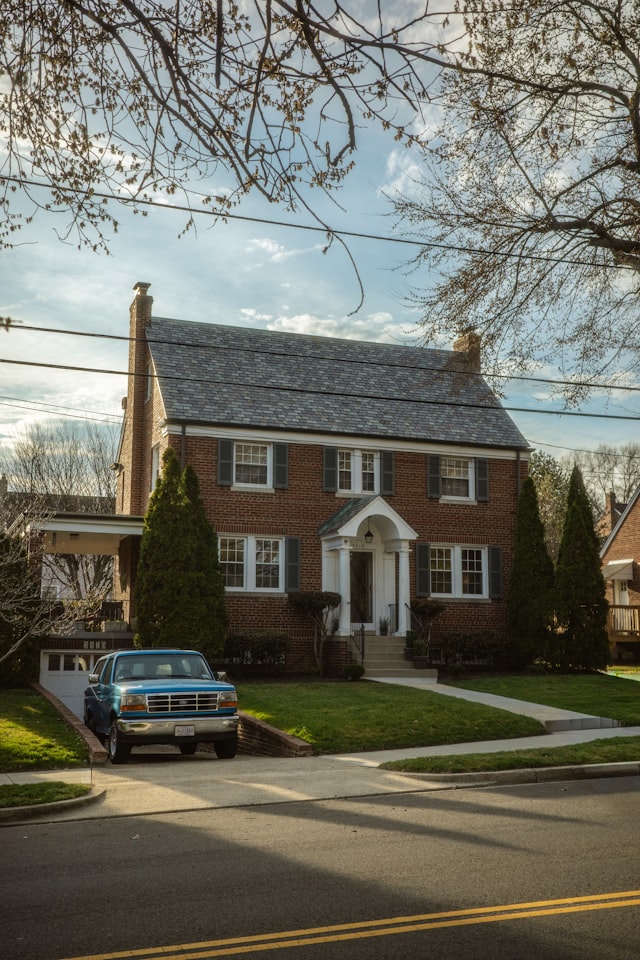
Memphis's housing stock is among the oldest in Tennessee's major cities, with substantial concentrations of pre-1960 construction in neighborhoods like Orange Mound, South Memphis, Binghampton, and Frayser. These homes routinely present with cast iron or galvanized plumbing subject to corrosion, knob-and-tube or early aluminum wiring, and crawl spaces with moisture issues driven by the Mississippi River valley's humidity. Roof ages are a particular problem — many Memphis homes carry original or second-generation roofs past their rated lifespan. Buyers using FHA financing face mandatory minimum property condition standards that older Memphis homes frequently fail, and repair escrows on FHA deals in Memphis are common but complex. Properties in flood-adjacent areas near the Wolf River corridor also face insurability constraints.
Why Neighborhoods Matter More Than Citywide Averages
Memphis's $175,000 average obscures enormous variance across the city. In Parkway Village and Raleigh, on the northeastern side, values sit closer to the city average. Orange Mound still trades well below the city median. In South Memphis and Binghampton, homes trading under $80,000 are not uncommon. In Frayser, on the north side, many properties sell to investors. Values in Nutbush vary depending on the specific block and condition.
What You Actually Save by Skipping the Traditional Route
On Memphis's $175,000 average home, the math on a traditional sale is unforgiving. Six percent agent commission runs $10,500. Tennessee's transfer tax adds $647. Standard closing costs add $3,000 to $5,000. The real issue in Memphis is the condition gap: a 1950s home in Frayser or Binghampton that needs roof work, plumbing updates, and cosmetic renovation can easily require $20,000 to $40,000 in repairs before it attracts a financed buyer. In a market where buyer pools are thin at certain price points, carrying costs during a 60 to 90 day listing add another $1,500 to $2,000 per month. A cash buyer buys as-is, with no inspection contingency, no appraisal requirement, and no repair demands — clearing the way to close regardless of property condition.
