Local Property Taxes and the Pressure They Create
Norfolk is an independent Virginia city with its own tax rate — currently around $1.25 per $100 of assessed value, running above Virginia's 0.82% statewide average. On a $285,000 home, annual property taxes run roughly $3,500 to $3,600. The city's tax base has faced pressure as population has plateaued compared to surrounding Virginia Beach and Chesapeake. Norfolk City's delinquent tax program is active, and properties with multiple years of arrears appear on public delinquency rolls that signal distress to investors and reduce the pool of conventional buyers willing to engage. The city's land bank holds a significant number of properties that have passed through the tax sale process without redemption.
How Virginia Foreclosure Law Affects Your Options
Norfolk falls under Virginia's non-judicial foreclosure process through the deed of trust structure. A trustee can move from formal default notice to completed sale in 2 to 4 months — no court involvement, no judge. Virginia has no statutory redemption period, making the outcome of a trustee sale immediate and final. Norfolk's military population creates a specific complication: servicemembers on active duty have certain protections under the Servicemembers Civil Relief Act that can affect foreclosure timelines, but those protections only apply to the active-duty owner and don't extend to family members who remain in the home after a PCS move. Virginia also allows lenders to pursue deficiency judgments in circuit court after a trustee sale falls short of the outstanding debt.
Norfolk's Housing Stock and the Inspection Problem
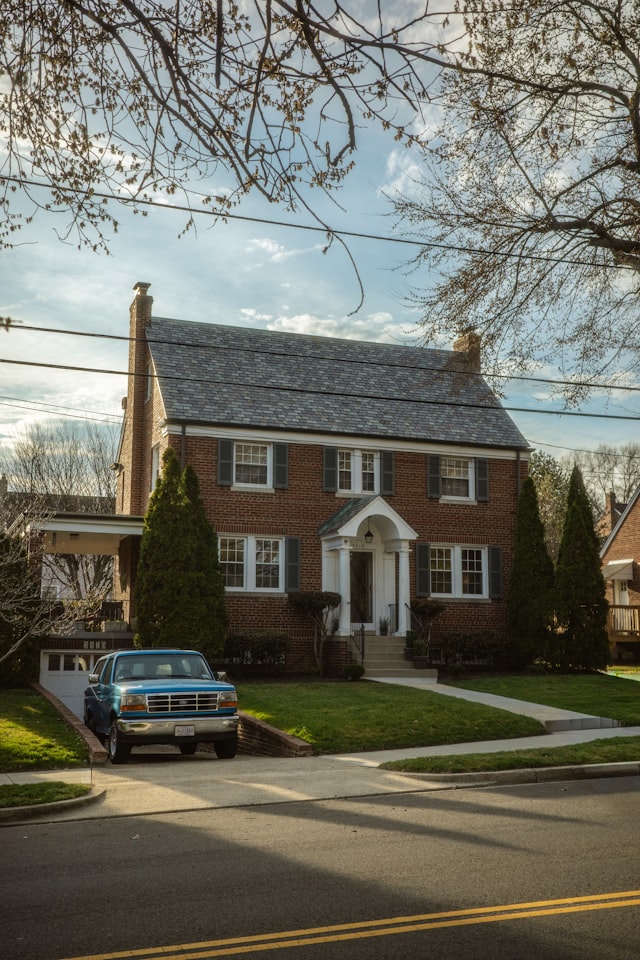
Norfolk's housing stock reflects a city built around naval installations dating to the early 20th century. Neighborhoods like Berkley, Campostella, and Young Park contain homes from the 1920s through 1950s — small brick and frame structures with original or early-replacement systems that consistently present inspection challenges. Tidewater Gardens and Ballentine Place sit in areas with flood exposure given Norfolk's well-documented sea level rise issues; the city has the highest rate of recurrent tidal flooding on the East Coast after Miami. Flood insurance is mandatory for many Norfolk properties and has become increasingly expensive. Park Place and Ghent, closer to downtown, carry more valuable historic stock but also require significant investment to maintain to market standard, which unrenovated properties simply haven't received.
Why Neighborhoods Matter More Than Citywide Averages
Norfolk's $285,000 average covers a city with sharp variation in price. Ghent, the city's historic walkable neighborhood near the Hague waterway, commands premiums above the city average. Wards Corner on the north side is a mid-tier residential and commercial area. Berkley and Campostella, south of downtown near the Elizabeth River, carry values below the city average. In Young Park and Ballentine Place, condition drives price. Tidewater Gardens has the most acute flood and infrastructure challenges in the city.
What You Actually Save by Skipping the Traditional Route
On Norfolk's $285,000 average home, traditional sale friction is substantial given the city's property characteristics. Six percent agent commission runs $17,100. Virginia's grantor tax and local recordation fees add $1,000 to $1,500. Mandatory attorney closing adds another $1,000 to $1,500. For homes in flood-affected areas, sellers often need flood compliance documentation, elevation certificates, or disclosure-driven price reductions that cost $5,000 to $15,000 in negotiated concessions. For older Berkley or Campostella homes needing system updates, pre-listing repairs add $15,000 to $25,000. Carrying costs during the listing period at $1,900 per month add $3,800 to $5,700. Total: $43,000 to $66,000 in friction on a $285,000 home. A cash buyer takes all the risk and closes clean.
