

Oklahoma's Real Estate Landscape for Distressed Sellers
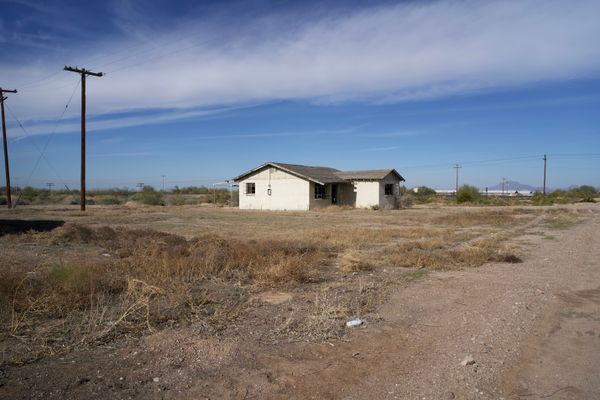
Oklahoma's effective property tax rate of 0.90% ranks 29th nationally — mid-tier, but meaningful on a state where median home prices in the major cities are well under $250,000. That means the tax bill isn't punishing on its own, but combined with Oklahoma's oil-dependent economy and regular weather-related damage (hail, tornadoes, ice storms), homeowners can find themselves in financial trouble fast. Insurance premiums in Oklahoma are among the highest in the country precisely because of that weather exposure, and when a policy lapses or a deductible can't be paid after storm damage, the home deteriorates quickly. Distressed sellers here are often dealing with deferred maintenance that a retail buyer won't accept — which is exactly the situation where a cash offer makes the most sense.
How Oklahoma Foreclosure Law Works
Oklahoma is unusual in that it allows both judicial and non-judicial foreclosure, giving lenders a choice of process. The non-judicial route uses a power-of-sale provision in the mortgage and can move faster, but it still requires newspaper publication for four consecutive weeks before a sale can proceed. The full timeline ranges from 4 to 10 months depending on which track the lender chooses, court backlogs, and whether the borrower responds. There is no statutory redemption period in Oklahoma after foreclosure — once the sale is complete, the former owner has no right to reclaim the property. The newspaper publication requirement is a public notice that can affect the seller's reputation in smaller communities, another reason many sellers prefer to resolve the situation privately before the process begins.
Property Taxes and What Happens When You Fall Behind
Oklahoma collects property taxes at the county level, with assessments based on fair cash value. At 0.90%, a $225,000 home carries roughly $2,025 in annual property taxes. When taxes go unpaid, counties add interest and penalties, and after two years of delinquency, the county treasurer can list the property for resale at public auction. Oklahoma does impose a documentary stamp tax on deed transfers of $0.75 per $500 of value, paid by the seller — on a $225,000 sale, that's $338, which is modest compared to other states. The practical impact is that delinquent taxes pile up faster than most sellers realize, especially when a home sits empty for months waiting on a traditional listing.
Why Cash Offers Work in Oklahoma
Oklahoma's dual foreclosure track and newspaper publication requirement create strong incentives to sell before the process starts. A cash sale can close in weeks, before a foreclosure notice is published and before an auction shortfall can lead to a deficiency judgment. The documentary stamp tax is the seller's only state-level transaction cost, and it's manageable. Oklahoma is not an attorney-close state, so title companies handle closings efficiently without adding legal fees to the equation. For sellers in distress — especially those dealing with storm damage, deferred maintenance, or properties that won't pass a traditional inspection — a cash offer at a fair price is often the cleanest way out.
