Local Property Taxes and the Pressure They Create
Chittenden County sits behind Vermont's 1.90% effective property tax rate — fifth-highest in the country — and South Burlington's higher-than-average home values amplify that burden significantly. On a $490,000 home, you're paying roughly $9,310 per year in property taxes. Vermont's education property tax, which funds schools statewide, is billed separately from municipal taxes and adjusts annually — meaning homeowners in South Burlington often face surprise increases even when they haven't sold or improved their property. For anyone whose income hasn't kept pace with the appreciation that's pushed local values up over the past decade, that annual bill is the source of real financial stress.
How Vermont Foreclosure Law Affects Your Options
Vermont uses judicial foreclosure and applies a strict foreclosure doctrine — meaning a court can decree that title transfers directly to the lender without a public auction if the property doesn't have enough equity to justify a sale. The process typically takes 7 to 12 months from first filing to resolution. Vermont also provides a 6-month right of redemption after the court judgment, during which you can pay off the full debt to reclaim the home. Closings in Vermont require an attorney. That legal layer adds cost and time to every transaction, whether you're selling to a cash buyer or going the traditional route. Understanding these timelines matters, because the 6-month redemption window is often shorter than it feels.
South Burlington's Housing Stock and the Inspection Problem
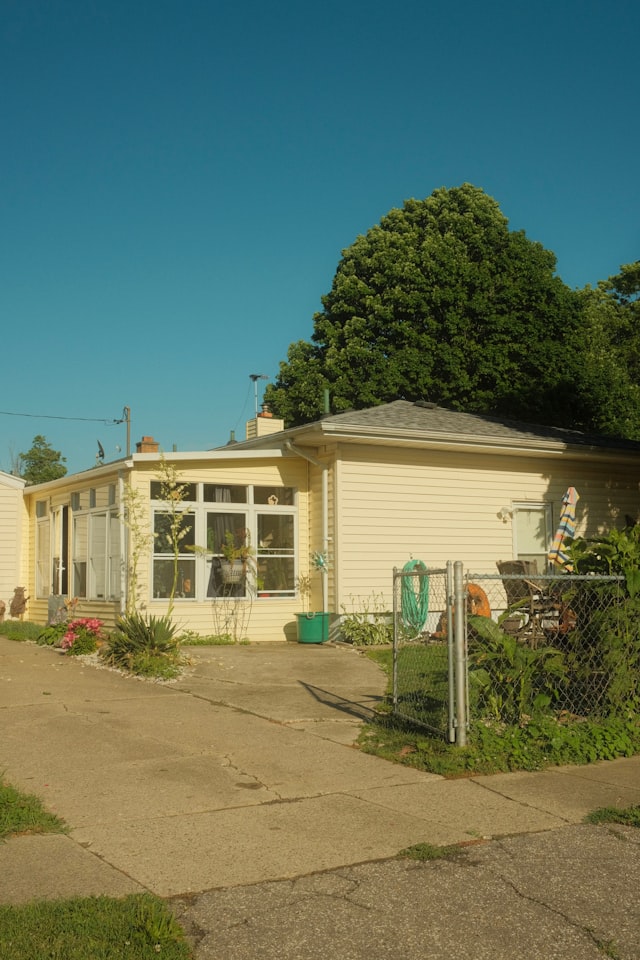
South Burlington's housing stock is dominated by ranch homes and split-levels built in the 1960s through 1980s, largely constructed when the Williston Road Corridor and Shelburne Road areas were first suburbanizing. Many of these homes have original oil or electric baseboard heating systems that are expensive to run in Vermont winters and that buyers increasingly want replaced. Crawlspace moisture is a persistent problem in Chittenden County's freeze-thaw climate, and older homes in the Queen City Park neighborhood often show foundation seepage and deteriorated sill plates. Homes near the Airport area also carry noise easement considerations that affect financing and buyer pool size.
Why Neighborhoods Matter More Than Citywide Averages
South Burlington is compact but its neighborhoods have meaningfully different buyer dynamics. The Dorset Street corridor with its newer construction and proximity to City Center commands premiums well above the average. Queen City Park, one of the older lakeside neighborhoods, attracts a different buyer — often seeking character and value but expecting more work. The Shelburne Road area trades on commercial convenience, while Meadowland and the Hinesburg Road corridor are mostly residential. A Farrell Street property will not trade at the same pace or price per square foot as a newer build on the Dorset corridor, even though both carry a South Burlington address.
What You Actually Save by Skipping the Traditional Route
On South Burlington's $490,000 average home, a full 6% agent commission (Clever's Vermont average is 5.6%) alone is $29,400. Add 2–3% closing costs ($9,800–$14,700) and you're already losing $39,200–$44,100 off the top (Vermont's transfer tax is customarily the buyer's). If the buyer's inspector flags oil heat conversion, moisture in the crawlspace, or aging windows (all common here), tack on another $10,000–$20,000 in negotiated repairs. Three months of carrying costs at roughly $3,200/month adds another $9,600. The traditional route can easily consume $59,000 or more on a $490,000 home before you see a dollar.
