

Vermont's Real Estate Landscape for Distressed Sellers
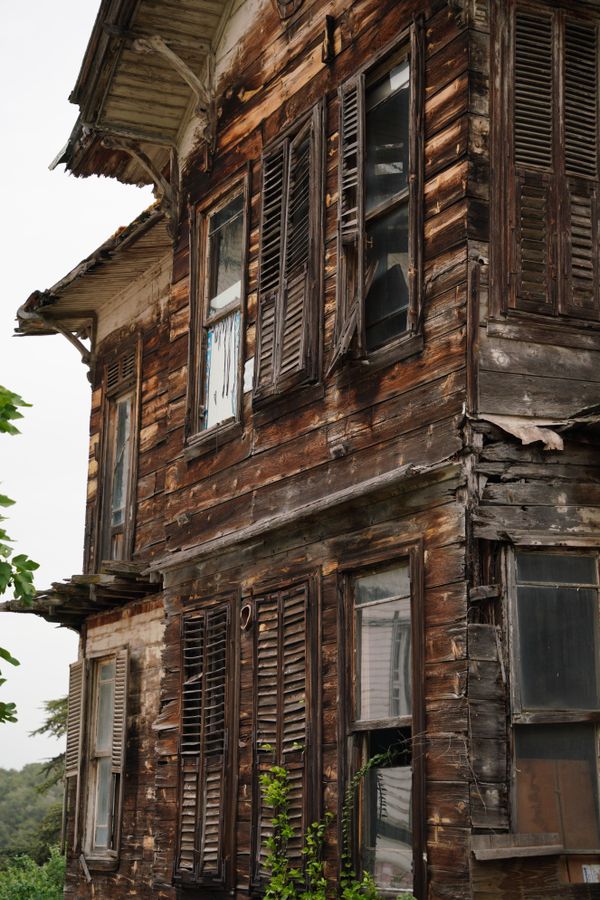
Vermont has the 5th highest effective property tax rate in the country at 1.90%, which is a significant burden in a state where median incomes are modest and the housing stock skews old. Vermont's housing market is small by any measure — Burlington, the largest city, has a population under 50,000 — but prices have climbed sharply in recent years due to remote worker migration from Boston and New York. That appreciation benefits sellers with equity, but for homeowners facing financial difficulty on older properties in Rutland or the Northeast Kingdom, the combination of high taxes, steep maintenance costs on aging wood-frame homes, and a relatively illiquid local market creates a difficult situation. Relief through a fast sale isn't always easy to find in a market this size.
How Vermont Foreclosure Law Works
Vermont uses a form of judicial foreclosure called strict foreclosure, similar to Connecticut, which is distinctive in the country. Rather than requiring a public sale, a Vermont court can award title directly to the lender if the court determines there is insufficient equity to justify an auction. The process runs 7 to 12 months, and Vermont provides a 6-month redemption period after the court's decree — meaning a homeowner has six months after the foreclosure judgment to pay off the debt and reclaim the property before title fully passes to the lender. That redemption window is a genuine opportunity, but for most homeowners in default, coming up with the full payoff amount within six months isn't realistic. The strict foreclosure mechanism means lenders can sometimes move more efficiently than in auction-based states.
Property Taxes and What Happens When You Fall Behind
Vermont's 1.90% effective rate is the 5th highest in the nation, and it hits hardest in communities where home values are lower — specifically Rutland and the more rural areas of the state. On a $185,000 home in Rutland, annual property taxes run roughly $3,500. Miss those payments and the municipality can pursue a tax sale through the town treasurer. Vermont towns can issue a tax collector's deed after a defined delinquency period, extinguishing the prior owner's interest. Unlike some states, Vermont's tax sale process can be relatively quiet — there's not always a public auction with competitive bidding — which means a distressed homeowner may not have much visibility into how close to the edge they actually are.
Why Cash Offers Work in Vermont
Vermont requires an attorney to handle real estate closings, and the state's property transfer tax (customarily paid by the buyer) is 1.25%, or 0.5% on the first $200,000 and 1.25% above that when the home will be the buyer's main residence. On a $440,000 Burlington home, that's roughly $4,930 in transfer taxes alone. Closing costs, attorney fees, and agent commissions can easily run $35,000–$50,000 on a mid-range sale. A cash buyer working directly with the seller eliminates those layers and can close well within the 6-month redemption window if foreclosure has already been filed. Vermont's small buyer pool also means traditional listings can sit for months during the off-season, eroding any price advantage. In a market with limited liquidity and high transaction friction, cash is a genuine advantage for a seller who needs certainty over maximum price.
