Local Property Taxes and the Pressure They Create
Summit County operates under Ohio's 1.56% effective property tax rate, translating to roughly $2,059 per year on Akron's $132,000 average home. Ohio counties set their own conveyance fees on top of state minimums, and Summit County charges $4.00 per $1,000 of sale price — matching Hamilton County's rate as one of the higher county-level fees in Ohio. Summit County completes property reassessments on a triennial cycle, and areas around Akron that have seen even modest investor activity, like Tallmadge or Barberton, have received reassessment notices that surprised owners with increased tax bills. For homeowners in Kenmore or Summit Lake who bought before values moved, those reassessment jumps can push an already tight monthly budget into the red.
How Ohio Foreclosure Law Affects Your Options
Ohio's mandatory judicial foreclosure process runs through Summit County's Court of Common Pleas. The typical timeline from initial filing to sheriff sale runs 7 to 14 months, and Summit County's court volume — Akron has historically had one of Ohio's higher per-capita foreclosure rates — means cases can take longer than the state average to work through the system. After the sheriff sale, Ohio allows redemption only until the court confirms the sale and only by paying the full judgment, so in practice the window to sell and walk away with equity closes at the auction. Akron homeowners who receive a default notice should treat the filing date — not the auction date — as the true deadline, because a sale that closes before the lawsuit is filed never reaches the public court record and preserves more negotiating leverage.
Akron's Housing Stock and the Inspection Problem
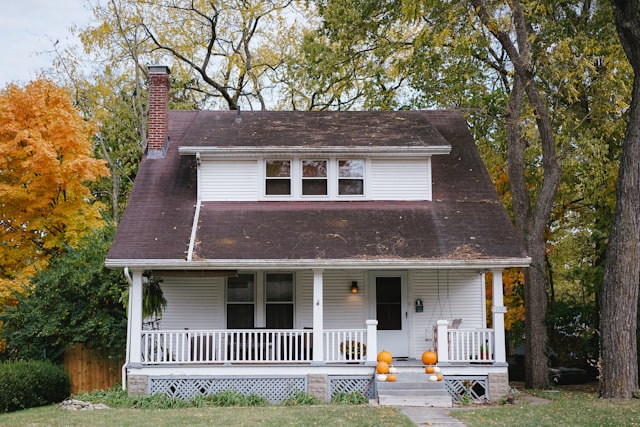
Akron's identity was built on the rubber industry, and its residential neighborhoods reflect the company town era of mass construction. North Hill, Kenmore, Goodyear Heights, and Firestone Park were all built largely between 1910 and 1940 to house Goodyear and Firestone workers — row after row of similar frame bungalows and two-family homes on small lots. This housing stock carries the predictable age-related problems: knob-and-tube wiring that insurance companies increasingly refuse to cover, original galvanized water lines with reduced flow and corrosion issues, and coal-to-gas furnace conversions that were done cheaply decades ago. Summit Lake area homes near the water have additional moisture and soil stability concerns. Buyers' lenders regularly require electrical updates, roof certification, or furnace replacement before approving financing.
Why Neighborhoods Matter More Than Citywide Averages
Akron's neighborhoods represent some of the most divergent micro-markets in Northeast Ohio. Goodyear Heights and Ellet, on the eastern side, have steady homeowner demand. Kenmore, to the southwest, has a longer days-on-market profile and significant investor presence. Firestone Park is mixed in condition block by block. Barberton and Tallmadge are technically separate municipalities with their own tax rates and school districts, so costs can differ even for adjacent properties.
What You Actually Save by Skipping the Traditional Route
On Akron's $132,000 average, a 5.9% agent commission (Ohio average, Clever) is $7,788. Summit County conveyance fees ($4.00 per $1,000) add $528, and 2–3% closing costs add another $2,640–$3,960. You're at $10,956–$12,276 before the inspector walks through. Goodyear Heights or Kenmore-era homes reliably produce $6,000–$18,000 in findings — electrical, plumbing, roof, and HVAC are all common. Two to three months of carrying costs at roughly $1,200/month adds $2,400–$3,600. A traditional Akron sale can consume $19,000–$34,000 on a $132,000 home — up to 26% of the gross sale price. A cash buyer takes the property as-is, skips the inspection negotiation entirely, and closes in weeks.
