
Ohio's Real Estate Landscape for Distressed Sellers
Ohio is one of the most challenging foreclosure environments in the country — not because the laws are harsh, but because the court system is backed up. The state requires judicial foreclosure, and timelines regularly stretch from 7 to 14 months from the first filing to the actual sale. That sounds like good news for a homeowner who needs time, but the reality is a year-plus of accumulating legal fees, missed payments compounding on the loan balance, and a property sitting in limbo. Ohio's property tax rate of 1.56% ranks 12th nationally, which hits hardest in high-value counties and urban areas. The state's market is split sharply: Columbus has seen strong appreciation, while cities like Cleveland, Toledo, and Dayton have significant pockets of distressed inventory and low median prices.
How Ohio Foreclosure Law Works
Ohio's judicial foreclosure process requires the lender to file a lawsuit in the county common pleas court, serve the homeowner, and obtain a judgment before the property can be sold at a sheriff sale. That process takes 7 to 14 months in most counties — and in high-volume courts like Cuyahoga and Franklin, delays stretch even further. After the sheriff sale, Ohio lets you redeem only until the court confirms the sale, and only by paying the full judgment, costs and 8% interest (ORC 2329.33). Once the court confirms the sale, the new buyer gets title and the former owner has no legal mechanism to reclaim the property. The county also assesses a conveyance fee at closing — at least $1.00 per $1,000 of value, with counties authorized to add up to $3.00 per $1,000 on top of that — so sellers need to factor that in when calculating net proceeds.
Property Taxes and What Happens When You Fall Behind
Ohio's 1.56% effective property tax rate is the 12th highest in the country, but the real pain comes from how counties administer it. Ohio assesses property in arrears on a two-year cycle, meaning you're always paying for past years, and a correction or reassessment can hit unexpectedly. When you fall behind, counties place a lien that accrues penalties and interest monthly. Ohio also allows counties to file a tax foreclosure separate from the mortgage foreclosure — so a homeowner can face two simultaneous legal actions for the same property. In Cuyahoga County, the county land bank often takes title to vacant, tax-delinquent properties.
Why Cash Offers Work in Ohio's Legal Framework
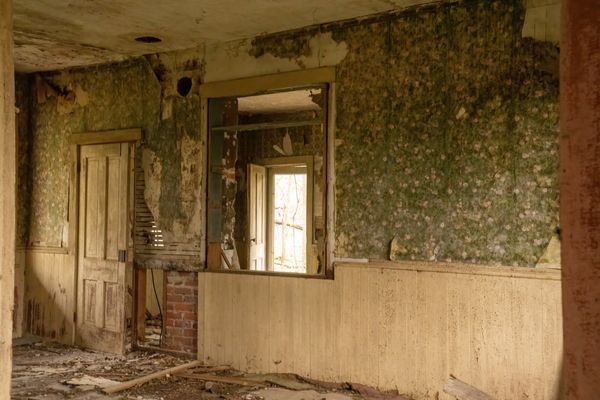
Ohio's 7-to-14-month judicial foreclosure timeline means that once the process starts, you're living in uncertainty for over a year. There's no attorney requirement for closings — title companies handle most Ohio transactions — and a cash buyer can close in two to three weeks from an accepted offer. Once the court confirms the sheriff sale, there's no way back. Selling before that point means you control the price, the timing, and the outcome. The county conveyance fee at closing is predictable and manageable — typically $1 to $4 per $1,000 of value — so it doesn't change the fundamental math. For sellers holding a property with deferred maintenance, a cash buyer who takes the home as-is eliminates the repair-inspection-negotiation cycle that kills traditional deals in Ohio's older housing stock.
