Local Property Taxes and the Pressure They Create
Springfield sits in Greene County, where the effective property tax rate runs close to Missouri's statewide average of 0.97%. On the city's median home price of $185,000, that works out to roughly $1,795 per year — more manageable than Missouri's urban centers but still a compounding burden when you're behind on a mortgage. Greene County conducts assessments every two years, and properties in rapidly appreciating areas can see meaningful jumps. Homes in the North Springfield and Sunshine Area corridors often run $100,000 to $140,000. A tax lien in Greene County accrues interest and can be sold to private investors, who then hold the right to initiate a tax deed action if the debt goes unresolved for three or more years.
How Missouri Foreclosure Law Affects Your Options
Missouri's non-judicial foreclosure process means Springfield homeowners can move from default to auction in as little as 2 to 3 months. The lender doesn't need a court judgment — the trustee follows statutory notice requirements and schedules the sale. That's a fast clock, and Missouri's 1-year redemption right after the auction applies only if the lender buys and you gave written notice beforehand, and requires paying back the full debt plus costs and interest, which most homeowners in foreclosure cannot do. The practical message: if you're behind on payments in Springfield, the window to sell and control your outcome is measured in weeks, not months. Once the trustee publishes the first notice, the 2-to-3-month clock starts and doesn't slow down for anything except a filed bankruptcy or a payoff.
Springfield's Housing Stock and the Inspection Problem
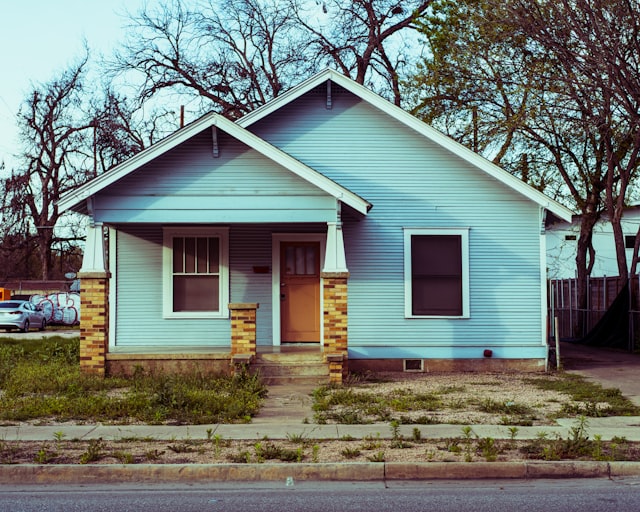
Springfield grew steadily through the postwar decades, and a large portion of the city's single-family housing stock dates from the 1950s through the 1980s. That era of construction brings specific issues: asbestos-containing floor tiles and insulation in homes built before 1978, original galvanized water lines, and single-pane aluminum-frame windows with poor energy performance. Springfield also sits in a region with active sinkholes and karst geology in some areas, which can create foundation concerns that aren't visible during a casual walkthrough. Homes along the Republic Road Corridor and South Grand areas often have slabs poured on expansive clay subsoils, leading to differential settlement over time. A retail buyer using FHA or VA financing faces strict property condition requirements, and any of these issues can kill a conventional deal mid-inspection.
Why Neighborhoods Matter More Than Citywide Averages
Springfield's $185,000 average covers a wide range of actual selling conditions. In North Springfield, homes frequently sell in the $90,000 to $130,000 range — investor activity is consistent, and cash transactions are common. Rountree, a historic neighborhood near Missouri State University, has steadier demand, including investors buying rentals. Doling Park and West Central are mid-tier neighborhoods with predictable buyer pools but also predictable inspection findings in older bungalows. The Campbell Avenue corridor has seen commercial strip development and the adjacent residential blocks see significant turnover. For distressed sellers, knowing your specific neighborhood's buyer profile matters — retail activity drops sharply once you move away from the university and walkable core.
What You Actually Save by Skipping the Traditional Route
On a $185,000 Springfield home, the traditional sale costs add up fast: 6% agent commissions come to $11,100, and 2 to 3% in seller closing costs add $3,700 to $5,550. Before a single repair, you've spent $14,800 to $16,650. Springfield's older housing stock means inspections regularly surface items like roof age, HVAC condition, and plumbing upgrades — expect a $5,000 to $12,000 repair or price reduction request on most homes that haven't been recently updated. Carrying the property for 60 to 90 days during a traditional sale adds mortgage payments, taxes, and utilities at roughly $1,400 to $1,800 per month. The total cost of a traditional sale on a $185,000 Springfield home can easily exceed $25,000 when repairs and holding costs are factored in. A cash close eliminates that entire category of loss.
