Local Property Taxes and the Pressure They Create
Duluth is in St. Louis County — Minnesota's largest county by area and one of the state's economically diverse counties, ranging from Iron Range communities to Lake Superior waterfront. Minnesota's 1.12% effective property tax rate on a $195,000 Duluth average home produces annual taxes of roughly $2,184 — about $182 per month. St. Louis County doesn't carry the Hennepin and Ramsey environmental surcharge on deed transactions, keeping transfer costs slightly lower. The three-year forfeiture timeline applies just as it does statewide, and St. Louis County processes those cases methodically. Sellers behind on taxes here need to count years from the date of first delinquency, not just the current year.
How Minnesota Foreclosure Law Affects Your Options
St. Louis County processes non-judicial foreclosures by advertisement on Minnesota's 3 to 5 month timeline. The Duluth housing market's liquidity is noticeably thinner than the Twin Cities — fewer buyers, longer average days on market, and more limited financing options for older or condition-challenged properties. That thinner market makes the 6-month redemption period after the sheriff's sale less practically useful here than in Minneapolis: finding a lender or buyer to redeem a foreclosed Duluth property within 6 months isn't impossible, but it's harder than in a deeper market. Selling before the sheriff's sale is especially important in Duluth because the alternative — a foreclosure sale in a thin market — often produces a price that leaves nothing for the homeowner above the debt. Acting early preserves whatever equity exists.
Duluth's Housing Stock and the Inspection Problem
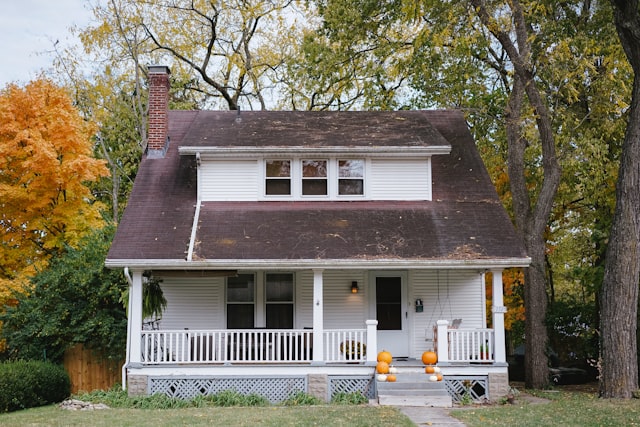
Duluth sits on the western tip of Lake Superior and climbs steeply from the waterfront up hillside terrain that defines most of its neighborhoods. That topography creates specific inspection issues beyond the standard challenges of older housing stock. Hillside properties — East Hillside, Central Hillside, and the broader Hillside area — have foundation and retaining wall concerns tied to slope movement over decades of freeze-thaw cycling. Duluth's Lake Superior climate is among the most severe in the contiguous US: winter temperatures regularly hit -20°F, and that cold drives heating system failures, ice dam roof damage, and pipe bursts in under-insulated older homes. West Duluth and Gary-New Duluth, with housing from the early 1900s, have the densest concentration of deferred maintenance in the city, where homes that haven't had mechanical updates in 20+ years are the rule rather than the exception.
Why Neighborhoods Matter More Than Citywide Averages
Duluth's $195,000 average is shaped by a small but real premium market near the Lake Superior waterfront in neighborhoods like Endion and Woodland, where homes with lake views attract buyers from the Twin Cities looking for second properties. Lincoln Park on the west side has an arts district, and prices there have moved noticeably upward. Hillside covers a wide price range depending on condition and view, with some properties overlooking the harbor commanding real premiums. In West Duluth and Gary-New Duluth at the far western edge, values are modest — $120,000 to $160,000 for older homes — and where the buyer pool is thinner. For sellers in West Duluth or Gary-New Duluth with homes that need work, a cash buyer is often the only realistic path to closing.
What You Actually Save by Skipping the Traditional Route
On a $195,000 Duluth home, a full 6% agent commission (Clever's Minnesota average is 5.8%) runs $11,700. Seller closing costs of 2% to 3% add $3,900 to $5,850. Minnesota's deed tax runs roughly $644 on a $195,000 sale — no environmental surcharge in St. Louis County. Duluth homes frequently need cold-climate-specific repairs before passing inspection: ice dam damage to fascia and interior ceilings, heating system updates, and window replacements to handle the climate load. A realistic repair budget for a pre-1970 Duluth home with deferred maintenance is $10,000 to $25,000. Holding costs during Duluth's longer average listing period — the market here runs 60 to 100 days to close a financed sale — add $1,500 to $1,800 per month. Total traditional sale costs can reach $32,000 to $48,000. A cash sale as-is removes those costs and eliminates the real risk of sitting through a Duluth winter with an empty home.
