Local Property Taxes and the Pressure They Create
Saint Paul is in Ramsey County — the other Twin Cities core county — and like Hennepin County, Ramsey adds the 0.01% environmental response fund surcharge on deed transactions on top of Minnesota's standard deed tax. On a $265,000 Saint Paul home, the 1.12% effective property tax rate produces an annual bill of roughly $2,968, or about $247 per month. Saint Paul's millage structure tends to run slightly higher than its suburban neighbors, reflecting the city's older infrastructure and service demands. Ramsey County's delinquent tax enforcement runs on the same three-year forfeiture timeline as the rest of Minnesota. For Saint Paul homeowners who are already behind on a mortgage and have let property taxes slip, the compounding timelines — lender enforcement and county enforcement running simultaneously — can feel overwhelming.
How Minnesota Foreclosure Law Affects Your Options
Saint Paul foreclosures proceed through Minnesota's non-judicial advertisement process, moving from initial notice to sheriff's sale in 3 to 5 months. Ramsey County sheriff's sales happen on a regular schedule, and the process is predictable once started. After the sale, Minnesota's 6-month redemption period gives sellers the right to remain in the property and the option to pay off the debt — and in Saint Paul's market, where prices have appreciated meaningfully over the past decade, some sellers do have enough equity to make redemption realistic if they can access financing quickly. The practical window to act with the most options is before the sheriff's sale, when a sale that pays off the loan avoids the redemption period gamble and the seller controls the close date.
Saint Paul's Housing Stock and the Inspection Problem
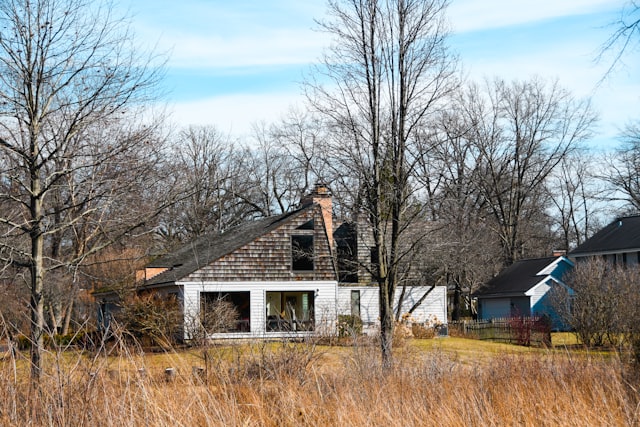
Saint Paul's housing is among the oldest in Minnesota. The Summit Hill and Summit-University neighborhoods contain homes built in the 1880s through 1920s — gorgeous Victorian, Queen Anne, and Craftsman architecture that requires specialist contractors and significant ongoing investment to maintain. Other neighborhoods have denser, more modest housing from similar eras. Dayton's Bluff on the east side has historic homes with spectacular river views but carries the full set of old-construction inspection issues: knob-and-tube wiring, galvanized drain lines, and basement moisture that's endemic in Saint Paul's river bluff terrain.
Why Neighborhoods Matter More Than Citywide Averages
Saint Paul's $265,000 average reflects a city where neighborhood identity drives value more than citywide trends. Summit-University commands strong prices among buyers who prize historic architecture and proximity to Grand Avenue's retail corridor. Payne-Phalen on the east side has prices well below the city average — typically in the $175,000 to $220,000 range. West Side along the Mississippi River bluffs draws buyers who want Minneapolis-level amenity access via the High Bridge corridor. East Side generally trades in the $180,000 to $240,000 range, with values tied closely to housing condition.
What You Actually Save by Skipping the Traditional Route
On a $265,000 Saint Paul home, agent commissions at 6% run $15,900. Seller closing costs of 2% to 3% add $5,300 to $7,950. Minnesota's deed tax plus Ramsey County's environmental surcharge totals roughly $900 on a $265,000 sale. Preparing an older Saint Paul home for a financed buyer — addressing lead paint disclosures required in pre-1978 homes, fixing inspection findings on aging mechanicals, basic cosmetic prep — easily runs $5,000 to $15,000. Holding costs over a 60 to 90 day listing cycle add $2,000 to $2,500 per month. Total traditional sale costs can reach $32,000 to $45,000. A cash sale that takes the property as-is and covers the transfer costs removes most of that expense and eliminates the risk of a deal falling through after a hard inspection.
