Local Property Taxes and the Pressure They Create
Minneapolis is in Hennepin County — the most populous county in Minnesota — where the state's 1.12% effective property tax rate is supplemented by a county-level environmental response fund charge of 0.01% on top of the standard deed tax. On a $315,000 Minneapolis home, annual property taxes run roughly $3,528, or $294 per month. Hennepin County processes delinquent taxes methodically: after three years of non-payment, the state begins forfeiture proceedings that can transfer the property out of the owner's hands entirely. Minneapolis itself has been aggressively addressing vacant and tax-delinquent properties, which means the city's enforcement posture adds pressure on top of the county's timeline. Sellers behind on taxes here are working against multiple overlapping clocks.
How Minnesota Foreclosure Law Affects Your Options
Minneapolis foreclosures run through Minnesota's non-judicial process — foreclosure by advertisement — with a timeline of 3 to 5 months from initial notice to sheriff's sale. After the sale, homeowners retain a 6-month redemption period during which they can legally remain in the property and have the right to pay off the debt. Minnesota's law is explicit that the homeowner can stay through that full 6-month window, which is more protective than some states. But the clock is firm: after 6 months, the buyer from the sheriff's sale takes possession. For Minneapolis sellers, the most important decision window is before the sale happens — when a sale that pays off the loan can end the process and let the seller walk with whatever equity remains above the outstanding debt.
Minneapolis's Housing Stock and the Inspection Problem
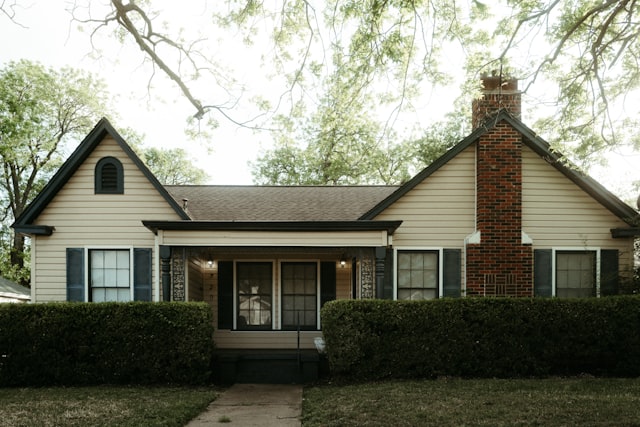
Minneapolis has a dense urban housing stock with a character defined by its 1900-1940 construction era. The city's signature housing type is the wood-frame two-story — often with a half-story third floor — built with craftsmanship that holds up well over a century but requires expensive maintenance. Original plaster walls hide moisture history that doesn't show up until an inspection. Cast iron plumbing systems are standard in anything built before 1970. Properties that have cycled through rental use often carry more deferred maintenance. Buyers using FHA financing face strict appraisal conditions that older Minneapolis homes frequently can't satisfy as-is.
Why Neighborhoods Matter More Than Citywide Averages
Minneapolis's $315,000 average blends a wide range of neighborhood realities. Longfellow and Seward on the south side have been strong markets for years, with well-maintained housing, active community organizations, and sustained buyer demand from buyers priced out of more expensive south Minneapolis neighborhoods. In Whittier, prices vary block by block. Properties in some neighborhoods often trade at $80,000 to $150,000 below the city average, fundamentally changing the cash-versus-listed calculus.
What You Actually Save by Skipping the Traditional Route
On a $315,000 Minneapolis home, a full 6% agent commission (Clever's Minnesota average is 5.8%) costs $18,900. Seller closing costs of 2% to 3% add $6,300 to $9,450. Minnesota's deed tax runs $1.65 per $500, plus Hennepin County's environmental surcharge — roughly $1,070 total on a $315,000 sale. Preparing an older Minneapolis home to compete for financed buyers — addressing inspection findings, updating cosmetics, deep cleaning — can run $8,000 to $20,000. Holding costs over a 60 to 90 day listing and close cycle add $2,000 to $3,000 per month in mortgage, taxes, insurance, and utilities. Total traditional sale costs can reach $40,000 to $55,000. A cash sale that takes the property as-is and handles closing costs eliminates most of that friction and delivers certainty on a fixed date.
