

Minnesota's Real Estate Landscape for Distressed Sellers
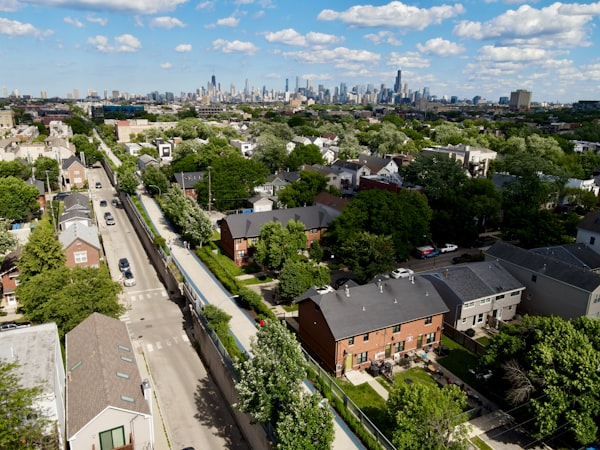
Minnesota's effective property tax rate of 1.12% ranks 19th nationally — moderate on paper, but significant when applied to the Twin Cities metro's above-average home values. The state has a sharply divided housing market: prices in Minneapolis and Saint Paul vary widely block by block, while outstate markets like Duluth and Rochester carry their own unique supply constraints. Distressed sellers here often deal with a combination of high carrying costs, hard Minnesota winters that accelerate deferred maintenance, and a traditional sale process that can drag through spring listing season while the bills keep stacking up. The state's legal framework is seller-friendly in some ways, but only if you understand the timelines.
How Minnesota Foreclosure Law Works
Minnesota uses non-judicial foreclosure by advertisement, which moves significantly faster than a court-based process. From initial notice to sheriff's sale, the timeline runs 3 to 5 months. After the sale, Minnesota grants a 6-month redemption period during which the homeowner can remain in the property — this is a meaningful consumer protection, but it also means the foreclosure cloud sits over the title for months. The lender can take possession after that 6-month window closes if the debt hasn't been paid. For sellers, the most important window is the period before the sheriff's sale, when a sale that pays off the loan in full can still end the process. Once the sale happens, your options narrow to either paying off the debt during redemption or walking away.
Property Taxes and What Happens When You Fall Behind
At 1.12%, a $295,000 Minnesota home carries roughly $3,314 in annual property taxes. The state's property tax system includes a homestead classification that gives owner-occupants some protection, but once payments fall behind, county treasurers move methodically. After three years of delinquency, Minnesota begins a tax forfeiture process that can transfer the property to the state. Hennepin and Ramsey Counties — the state's most populous — add a 0.01% environmental response fund charge on top of the state deed tax, which adds a small but real cost at closing. Sellers with both delinquent taxes and a pending foreclosure face title complications that make traditional listing nearly impossible without first resolving the outstanding amounts.
Why Cash Offers Work in Minnesota
Minnesota's state deed tax runs $1.65 per $500 of net consideration, and Hennepin and Ramsey County buyers face the additional environmental surcharge on top of that. Closing is handled through title companies — no attorney is required — which keeps the process efficient. For a seller in the middle of a 3 to 5 month non-judicial foreclosure, or sitting on delinquent taxes in year two of the county's collection process, a cash offer that closes before the next critical deadline can protect what equity you have. The 6-month redemption period means sellers even have a window after the sheriff's sale to accept a cash offer and pay off the lender — but acting before the sale is almost always the better outcome.
