High taxes on low-priced houses
Rockford's tax problem is its own thing. Illinois rates are second highest in the country, and here they land on some of the cheapest housing in the state. Worse, a lot of older houses are assessed higher than what they'd actually sell for, and the cost of running the city lands on whoever owns property. Fall behind, and Winnebago County sells your tax debt to investors at the annual sale. Don't pay them back in time and they can take the house with a tax deed, mortgage or no mortgage.
The foreclosure timeline here
The lender has to sue you in court before they can sell, and in Winnebago County that often runs about a year to eighteen months from filing to sale. The case doesn't speed up for anyone, and the fees and interest grow the whole time. There's a redemption window before the sale, running until the later of seven months after you're served or three months after the judgment, to pay everything off and keep the house, but on a property that's lost value to deferred maintenance, almost nobody manages it. You can still sell the house yourself until that window closes, but you'll come out with the most if you sell early, before the fees pile up.
What inspectors find in a Rockford bungalow
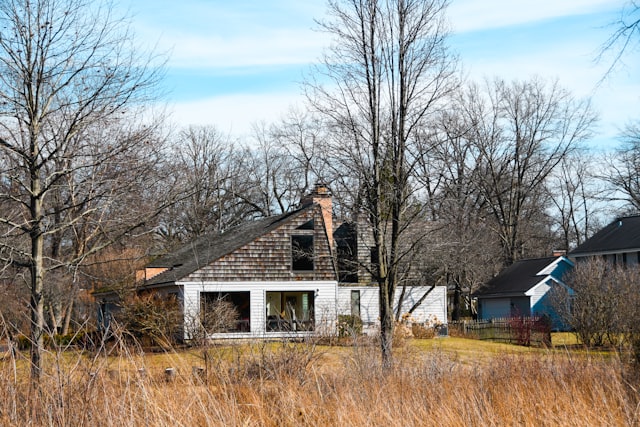
Most of this city's housing went up when Rockford was a factory town, the 20s through the 50s. Much of the city is bungalows and two-flats from that era, and many show their age. Old wiring that's a genuine fire risk. Terracotta sewer lines that gave up decades ago. Foundations that never got fixed. Banks reject this stuff outright, which means a buyer with FHA or conventional financing usually can't close without a repair list the seller can't afford to front. We don't answer to a bank, so none of that stops us.
Condition sets the buyer pool
A house in good repair draws regular buyers with regular financing. A house that needs major work is tougher: fewer showings, buyers who back out after the inspection, investors who price for the worst case. The citywide average around $155,000 doesn't tell you much about a house like that. And while you wait for a buyer who may never come, the taxes and insurance and utilities keep landing every month.
On a cheap house, every dollar counts more
This is the part that matters most in Rockford. Sell a $155,000 house the traditional way and between commission, repairs, concessions, and months of carrying costs, you can easily spend $30,000 or more getting to the closing table. On a house at that price, that's a fifth of the whole thing, gone. A cash sale skips the repairs and the agent, and closing often takes 7 to 28 days once title is clear. The number on the contract is smaller, but on houses like these the gap between the two paths is usually smaller than people expect, and you skip the part where the deal dies twice before it finally closes.
