






Illinois is a tough state to fall behind in
Straight answer: Illinois is one of the hardest places in the country to be behind on a house. The property taxes are second highest in the nation, foreclosure drags through the courts, and the counties sell unpaid tax bills to investors who can eventually take the house right out from under you. Because the tax track runs separately from the mortgage, a homeowner in Rockford, Joliet, Aurora, or anywhere in Chicago can be well into it before a letter makes it obvious. The one upside is that the slow court process buys you time. The people who come out okay are the ones who move early. Even after the lawsuit is filed, you can still sell the house yourself until the redemption period ends.
What foreclosure actually looks like here
Your lender can't just take the house. In Illinois they have to sue you and get a judge to sign off, and that whole thing usually takes a year to a year and a half. Sounds like breathing room. Sort of. The legal fees and interest keep stacking the entire time, and they come out of your equity. There's a redemption period before the sale, lasting until the later of seven months after you're served or three months after the judgment, where you can technically pay everything off and keep the house, but honestly, the full payoff is out of reach for anyone who is already behind on the payments. You have the most leverage before the case gets filed. That's when you can sell on your terms and walk away with something, though you can still sell until redemption ends.
The tax sale is the one that sneaks up on people
Here's the one that surprises everybody. Miss your property taxes in Illinois and the county doesn't just add late fees. They sell your debt to outside investors at an annual tax sale. On a typical $250,000 house here, taxes run about $390 a month, so falling behind doesn't take long. If you don't pay those investors back in time, they can ask the court to auction the property, and you may only get back what's left after the taxes and fees are paid. That's completely separate from your mortgage. You can be current with your bank and still lose the house to a tax buyer. Because nothing about it comes from your lender, it is possible for the tax deed paperwork to be the first unmistakable signal that the clock has been running.
Why a cash sale works in this state
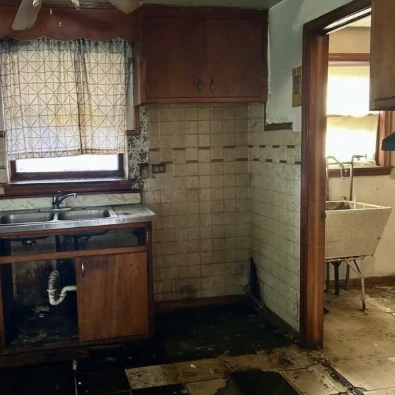
If you call an agent, they'll tell you to fix it up and list it. Fair enough, if you've got the money and the better part of a year. If you're already behind, you usually have neither. A cash sale skips the repairs, skips the inspection back-and-forth, skips the buyer whose loan falls apart three weeks in. Illinois closings are straightforward (an attorney is not legally required, though most Chicago-area sellers use one for review, and Chicago stacks on its own transfer taxes that can run a few thousand). With a cash sale, closing can often take 7 to 28 days when somebody needs out. And every month you sit in the court system costs you money, so speed here is worth real dollars.
